
Passenger Service
"An Exhilarating Experience"
Too large or tall for coach seating aboard a commercial airliner but don’t want to spring for a first-class ticket?
Are you afraid of flying or suffer from motion sickness?
Do you get claustrophobic when confined to a 2 by 6 foot space for long periods of time?
Lighter-than-air technology (LTA) offers a solution to all these maladies and more by providing unparalleled accommodations for all types and sizes of travelers.

Passenger Experiences
Flying aboard an airship was considered one of the most luxurious forms of travel.
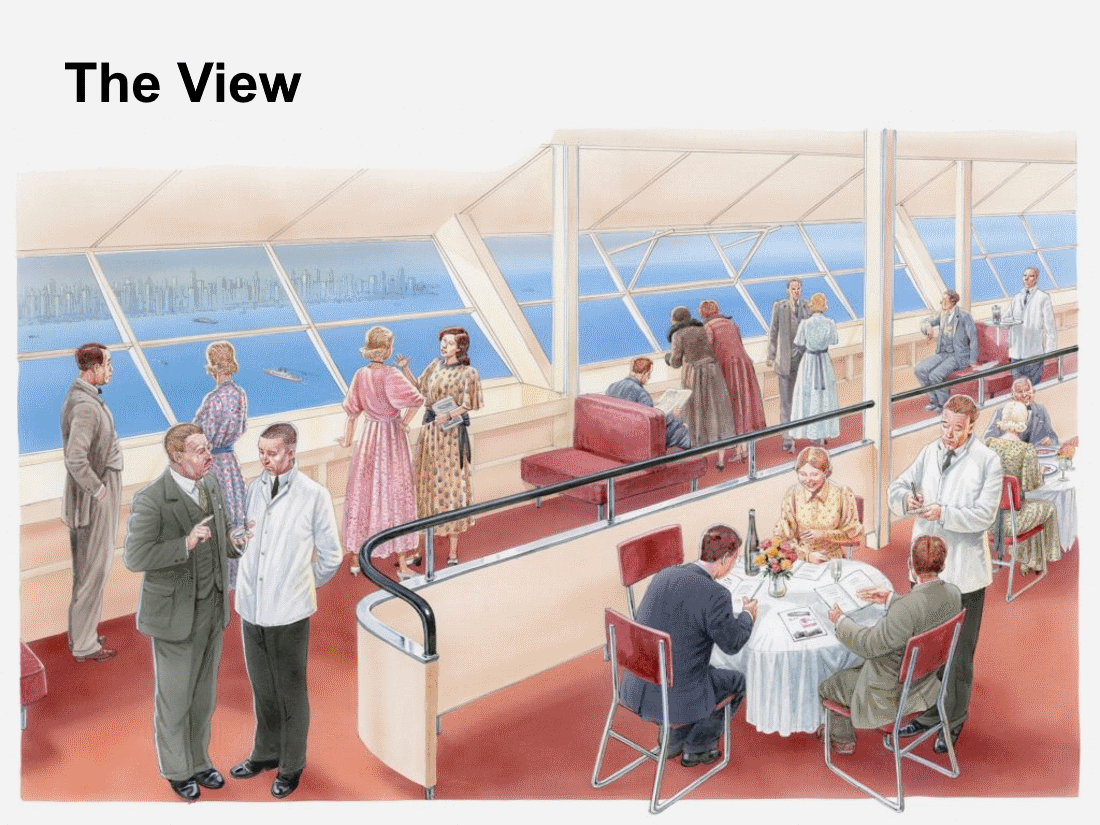
The spacious accommodations, stable flight, and view from above made it an experience unrivaled by any other form of transportation.

The Full Length Movie
For your enjoyment, we include the full-length version of the 1975 film ‘The Hindenburg,’ starring George C. Scott and Anne Bancroft.
It not only exemplifies the luxury of airship travel but is also historically accurate with respect to the day-to-day flight operations and passenger experiences aboard the great airship.
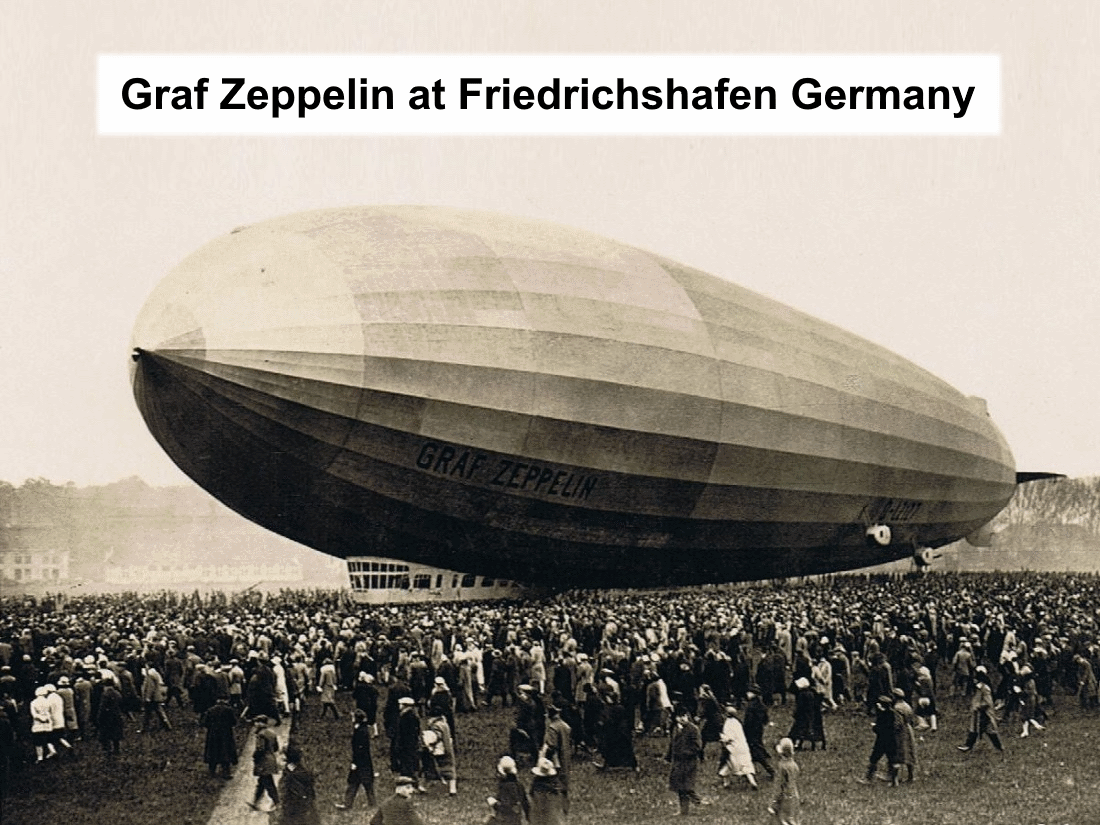
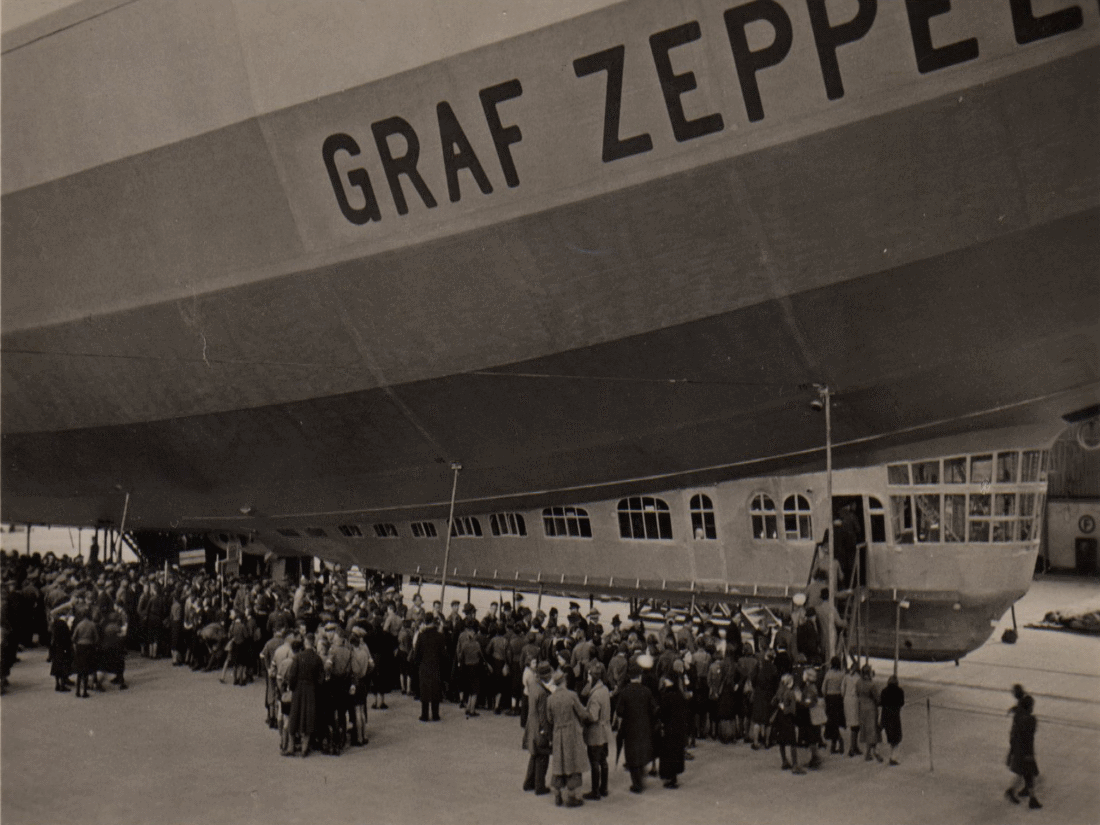
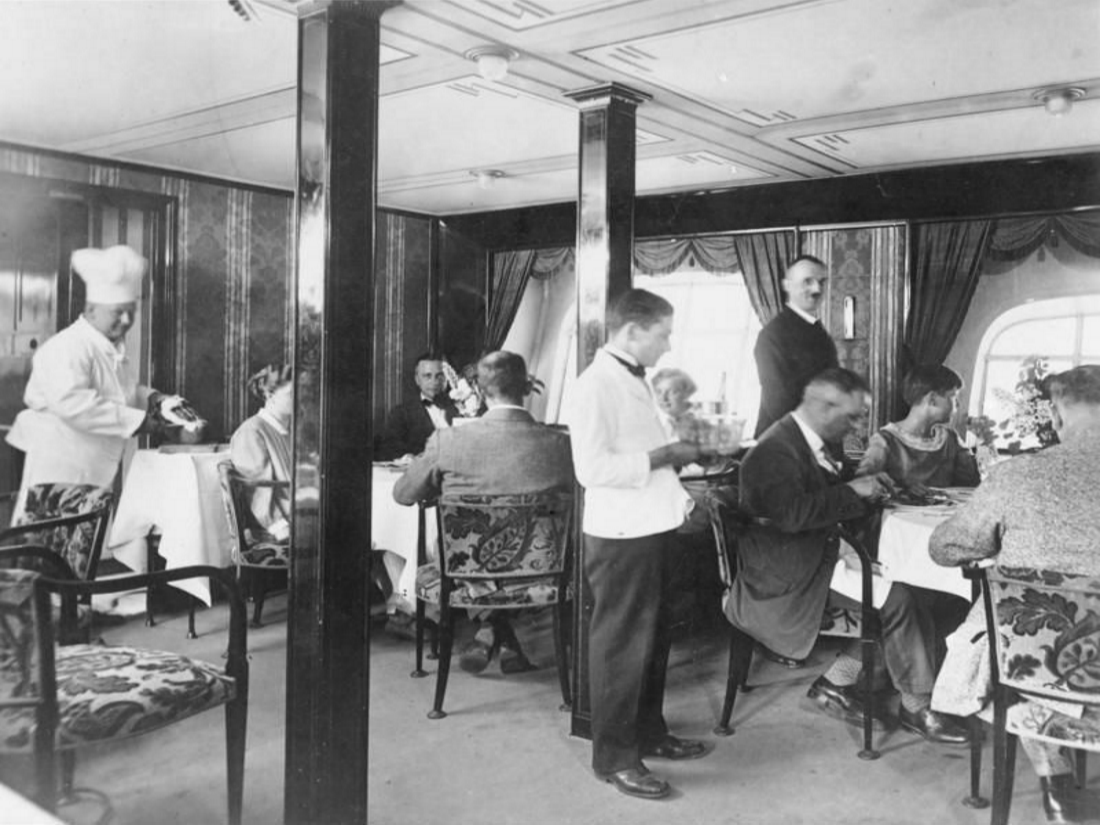
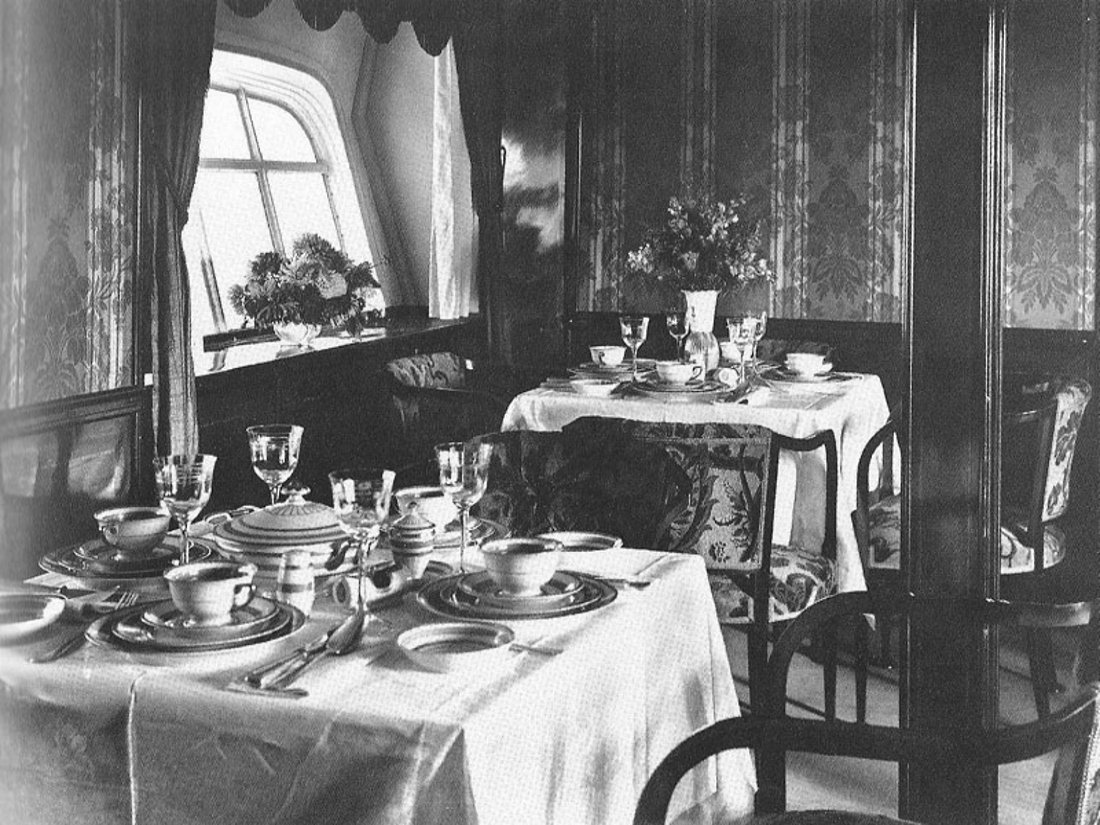
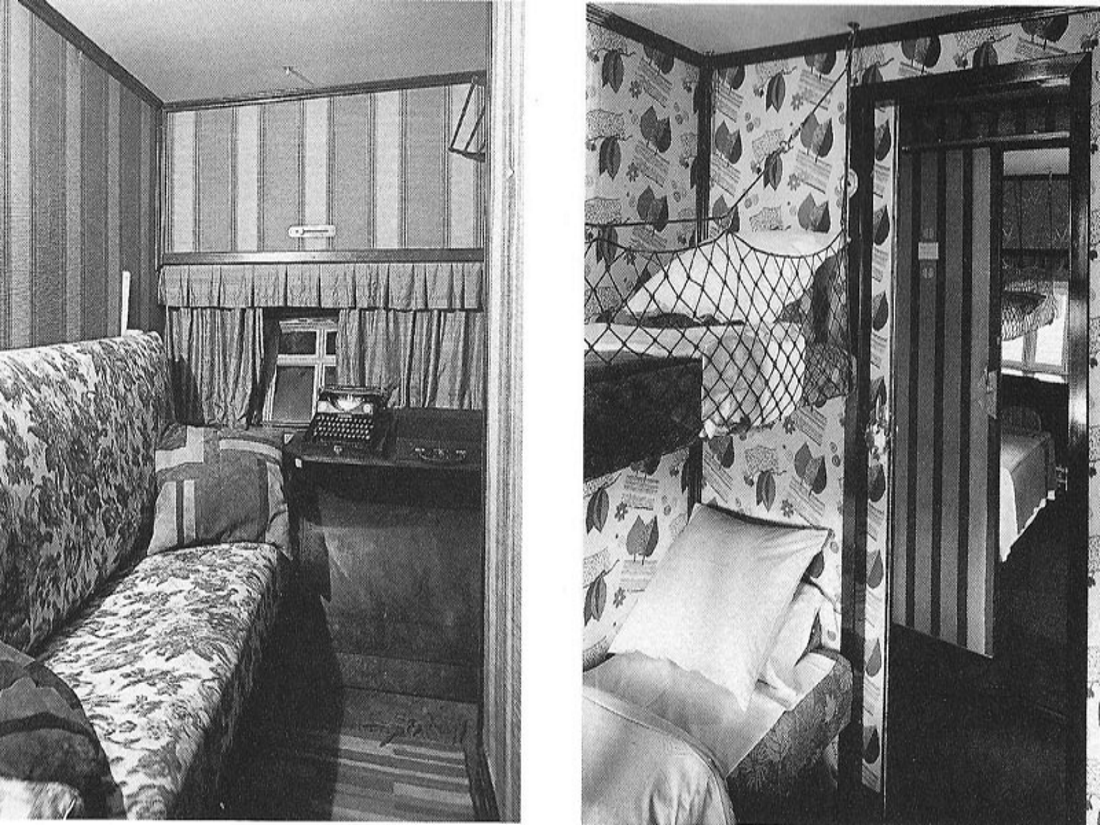
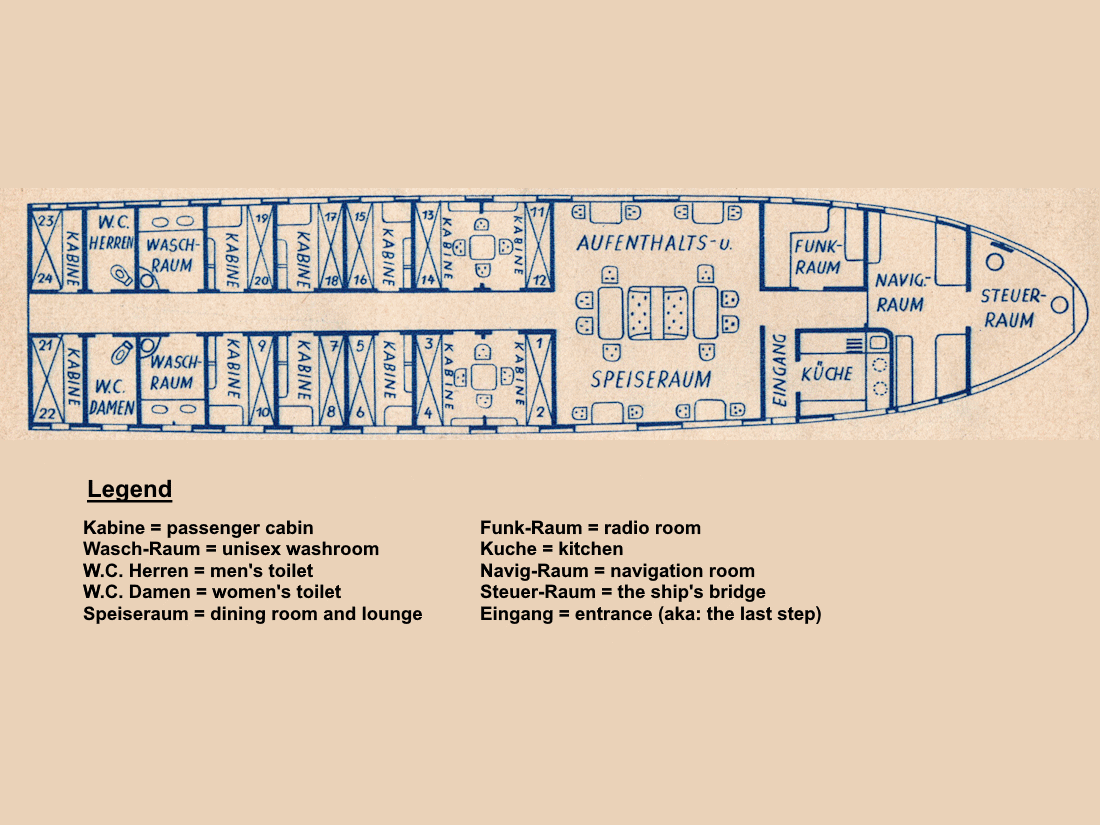
Graf Zeppelin Passenger Accommodations
The Graf Zeppelin, a hydrogen filled airship, could accommodate 20 passengers and 36 crew; was in service from 1928 to 1937; successfully completed 590 flights; accumulated more than 17,000 flight hours; and safely carried more than 34,000 passengers in total.
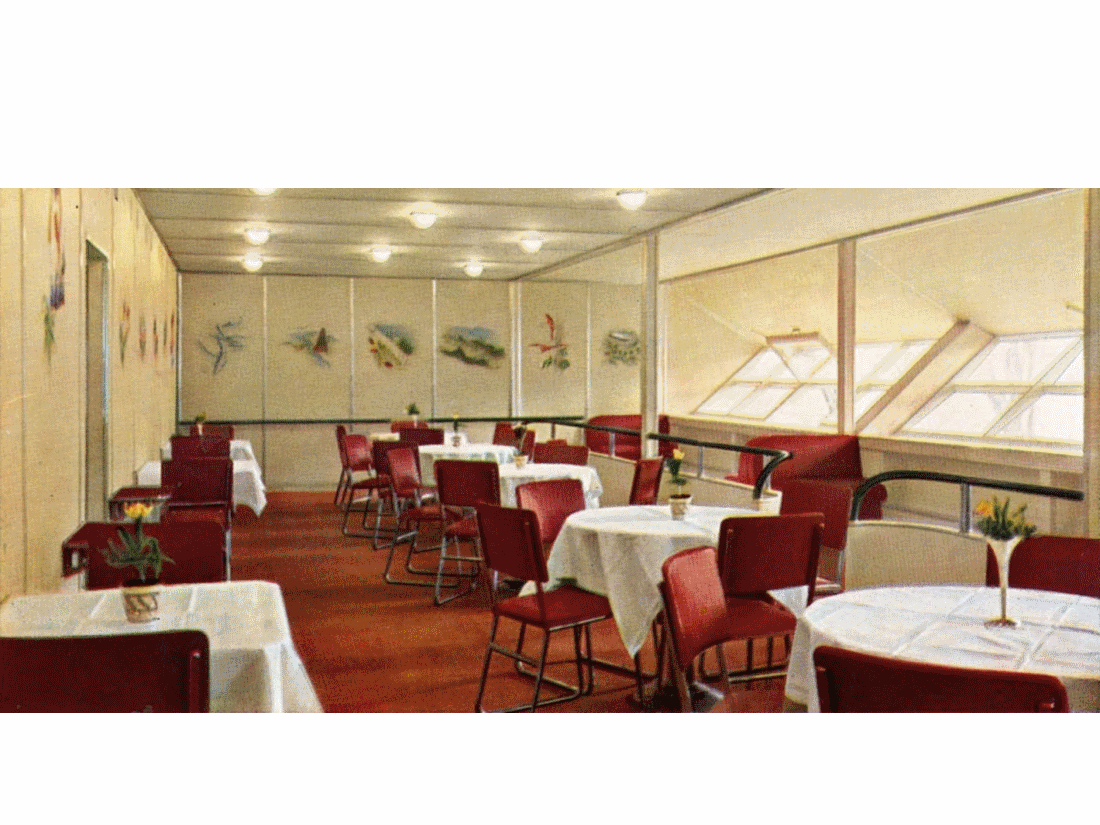
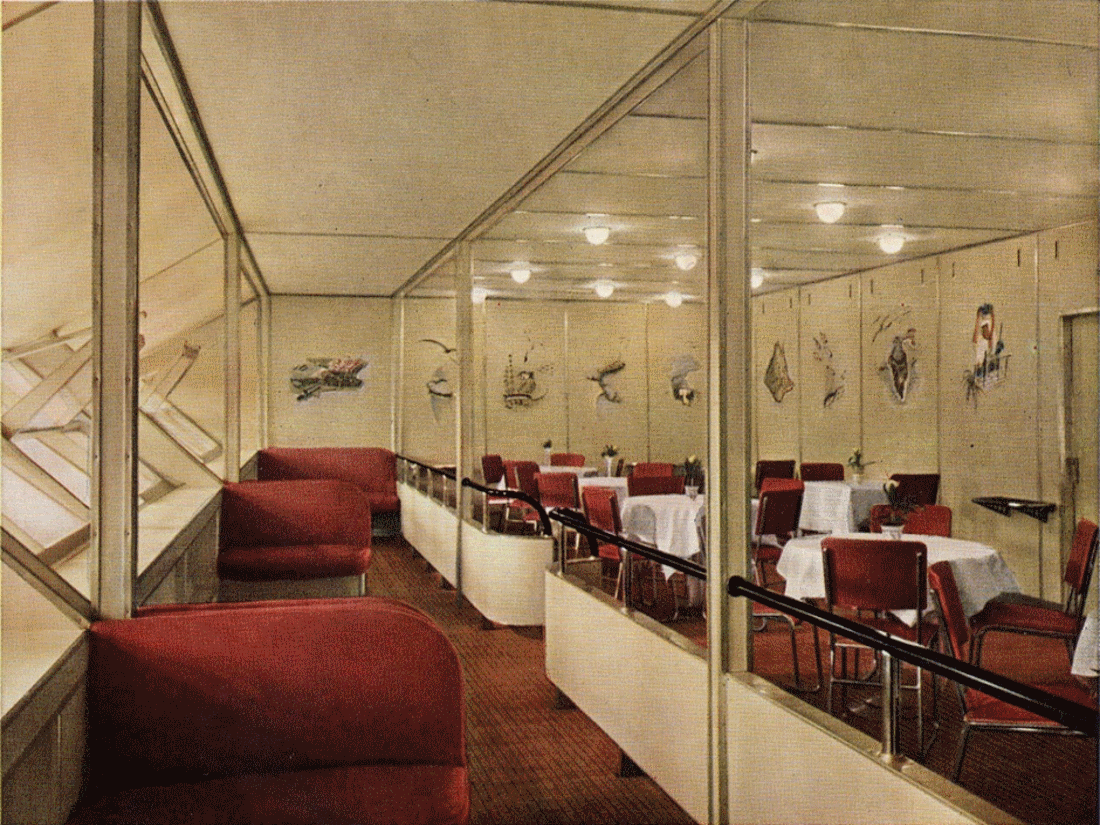
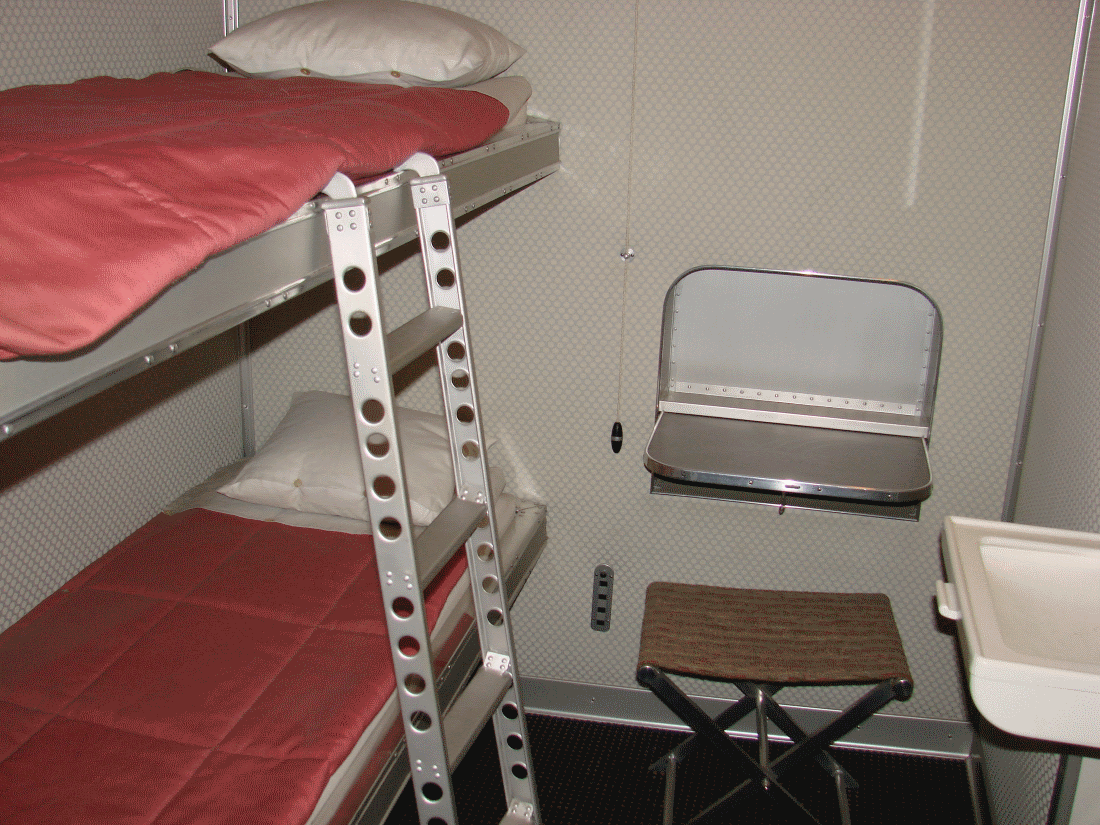
As displayed in the images, the majority of the passenger cabins were equipped with 2 sleeping berths per cabin arranged in a bunk bed configuration.
There was a large area forward of the cabins that was used for both the dining room and lounge.
There were no showers, so passengers were required to sponge bathe.
Additionally, there was little heat in the winter and no air conditioning.
The only relief from the hot, humid climates was the air circulating through the windows during flight.
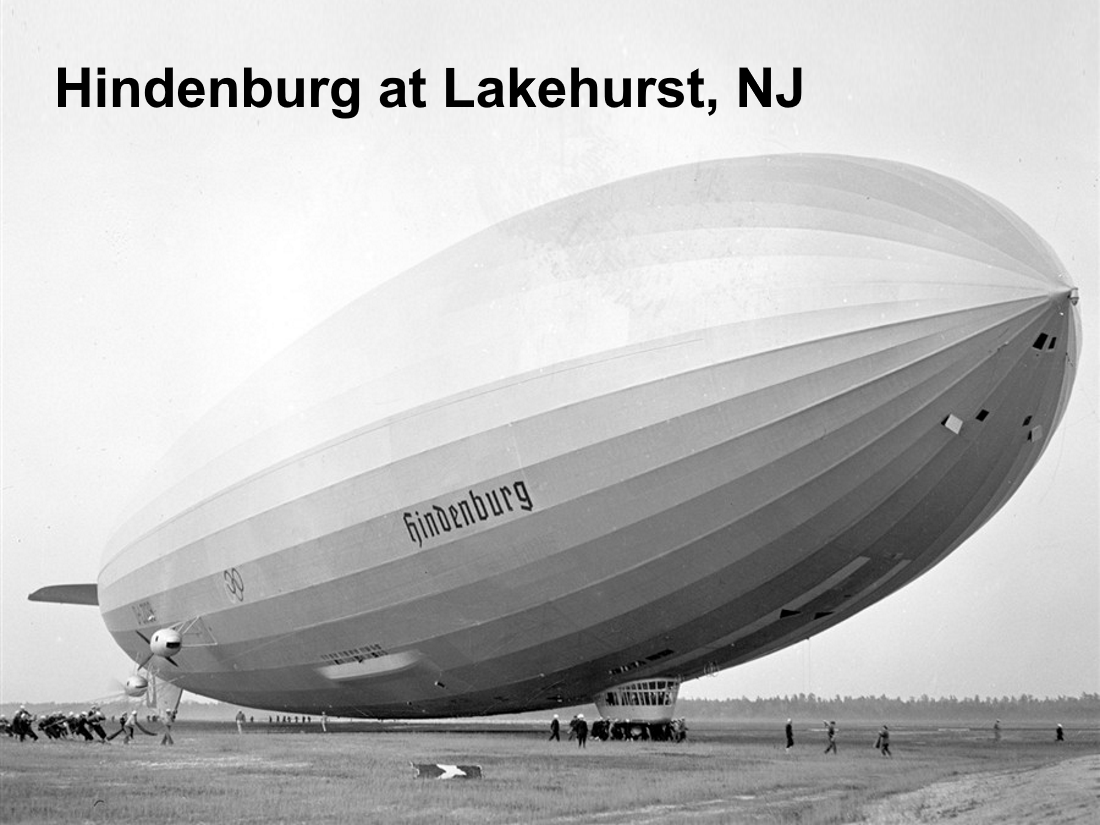
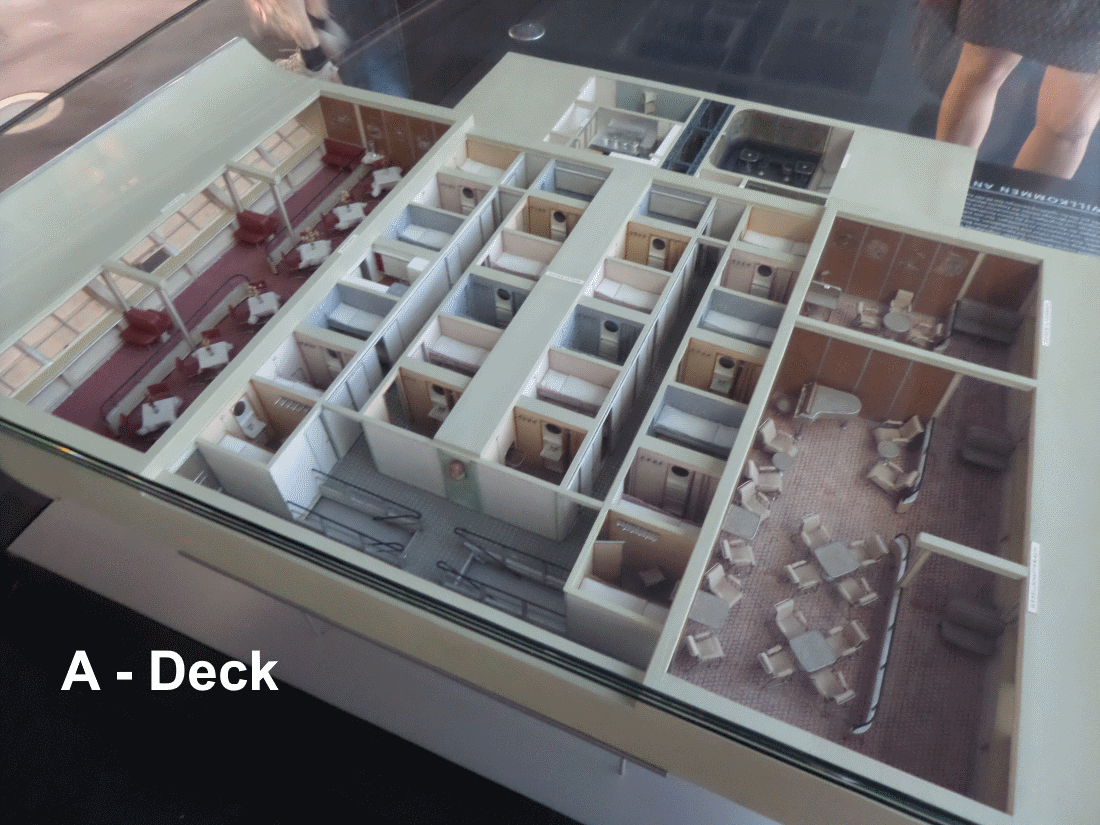
Hindenburg Passenger Accommodations
The Hindenburg could accommodate 50 passengers and 40 crew, and although she was in service for only 1 year, 1936 to 1937, she successfully completed 63 flights, accumulated more than 3,000 flight hours, and safely carried 3,100 passengers to their destinations in all types of weather.
Until her demise on May 6, 1937, the German Zeppelin Company had enjoyed a perfect passenger safety record spanning more than 40 years.
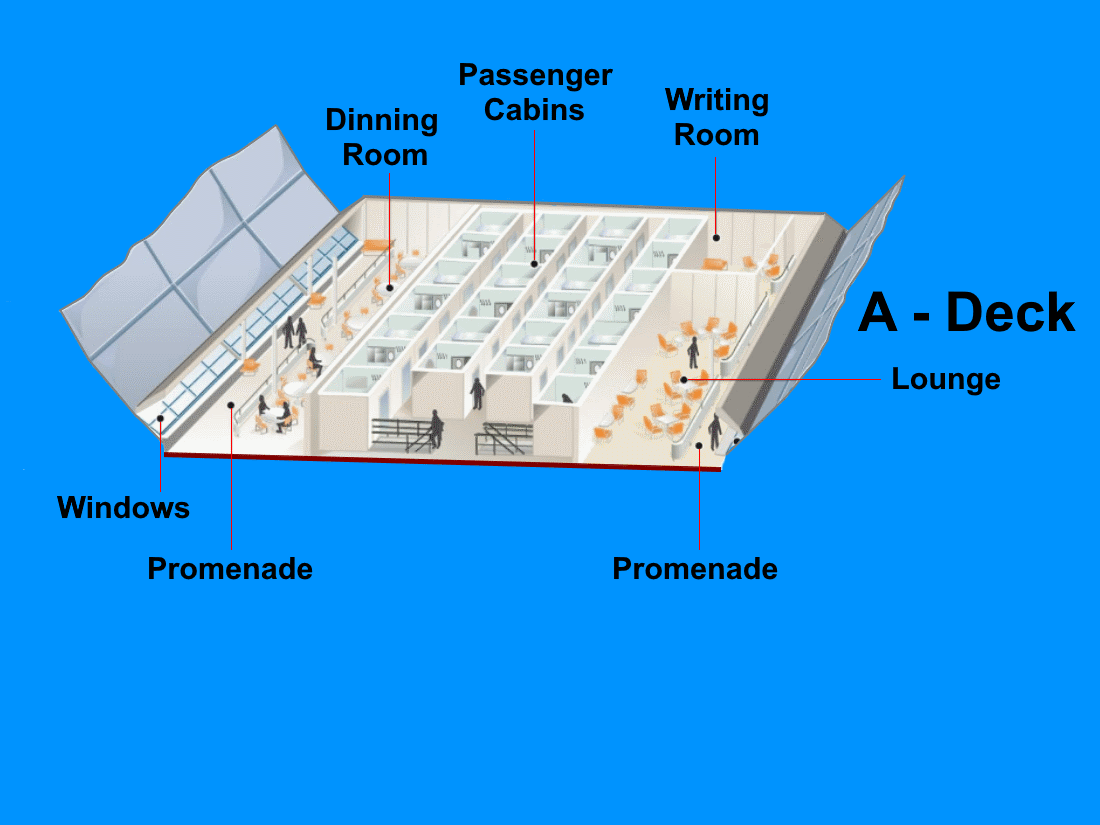
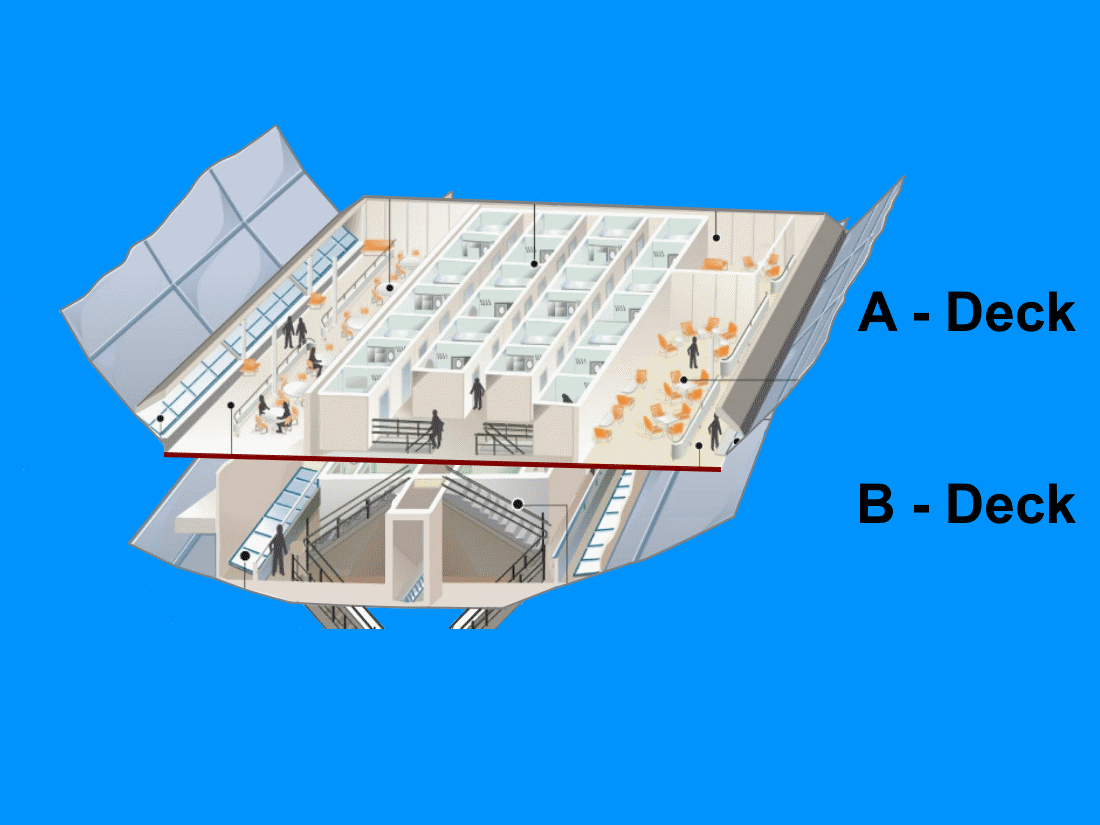
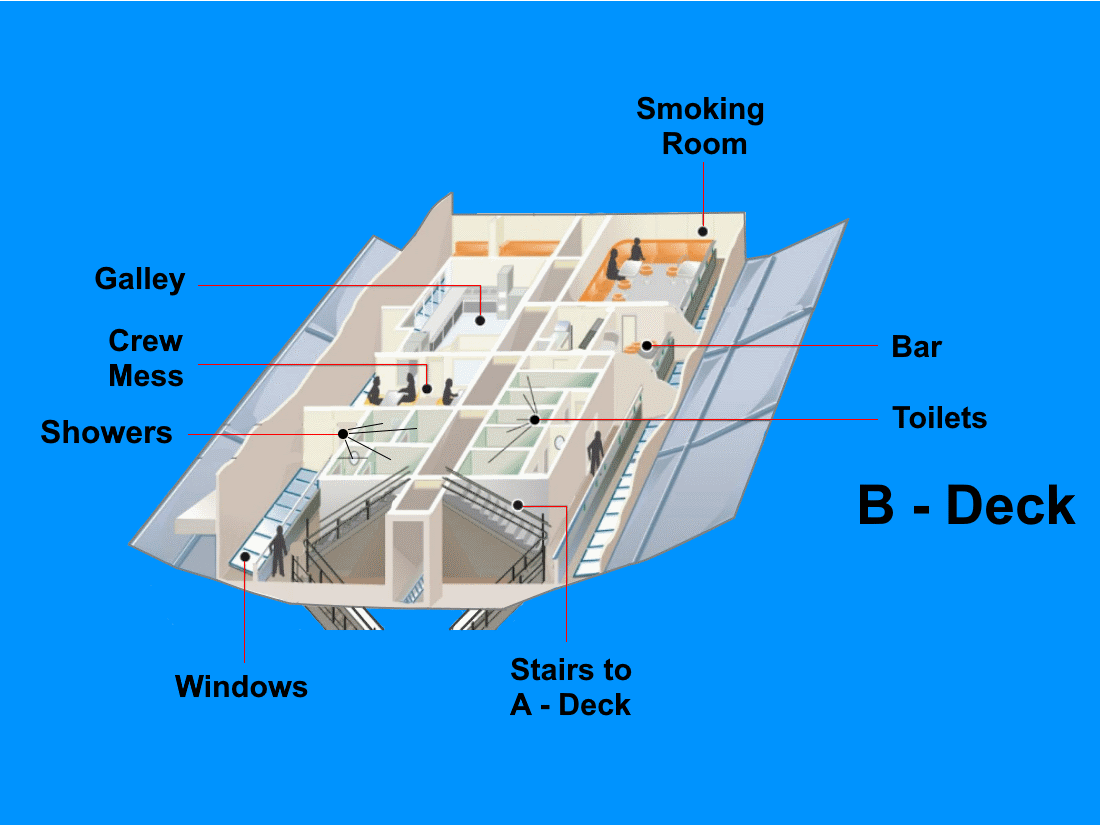
As displayed in the images, the Hindenburg had 25 passenger cabins equipped with 2 sleeping berths per cabin arranged in a bunk bed configuration.
She also had showers, toilets, a dining room, lounge area, smoking bar, two promenade decks, galley, and large windows that flanked the full length of each promenade deck, which could be opened for ventilation.
The luxury of her accommodations rivaled that of any ocean liner of that day.