
Zeppelin History Primer
The German Zeppelin airship program
has already proven Lighter-than-Air technology (LTA) to be a viable transportation technology.
Spanning more than 40 years from 1898 to 1940, it remains the only successful LTA program in history.
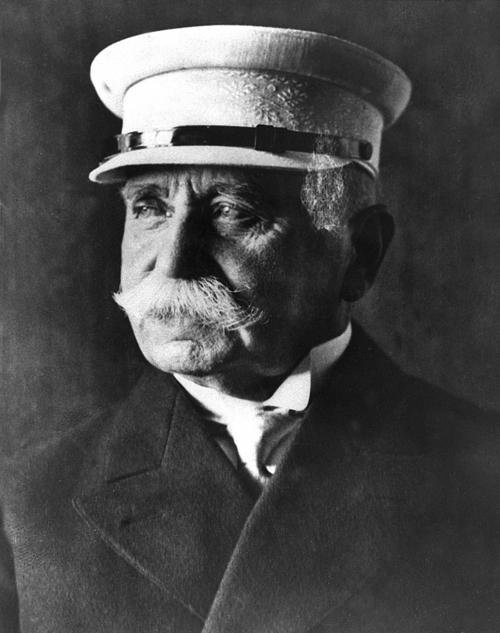
Count Ferdinand von Zeppelin (1838 - 1917)
Count Ferdinand von Zeppelin (1838 – 1917) was a German military commander and the inventor of the first successful fully rigid airship design.
He spent his adult life in the German Army where he became an officer at the age of 20.
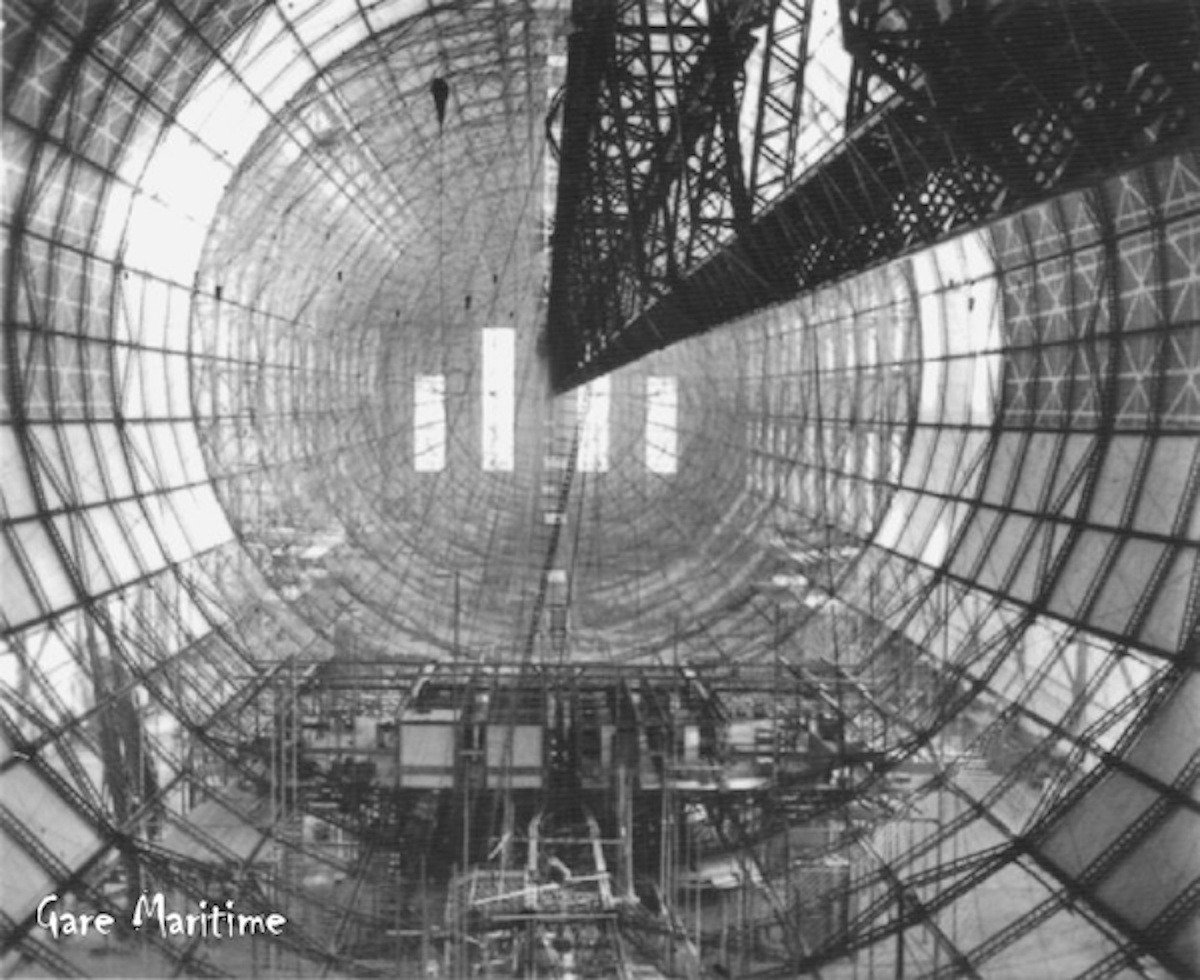
Fully-Rigid Airship Design
The image on the right displays the interior of the Hindenburg’s airframe. An airframe functions like the airship’s skeleton, giving it strength, resiliency, and its capabilities. This is what gives the airship its “fully-rigid” classification as opposed to the semi-rigid or non-rigid design of a blimp or hybrid.
In the image, you can see the airship’s cover stretched over the outside of the airframe as well as the passenger quarters still under construction in the lower foreground.
Additionally, the “Axial Corridor,” which ran through the center of the airship from bow to stern, is displayed overhead.
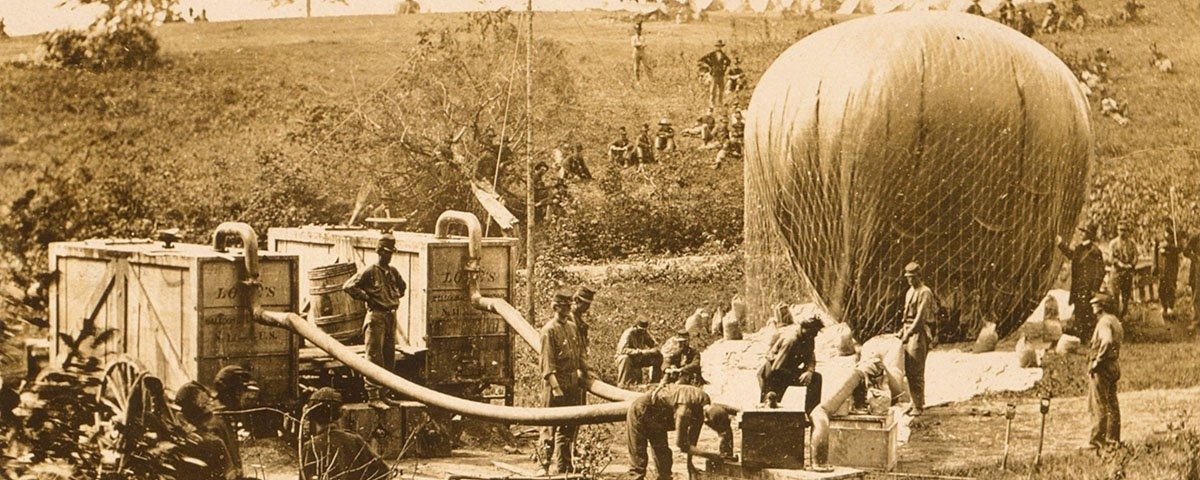
American Civil War
In 1863, at the age of 25, Count von Zeppelin traveled to the US as a military observer for the Union Army during the American Civil War.
This is when he first became acquainted with Lighter-than-Air technology (LTA), because the Union soldiers were using hot air balloons to spy on troop movements across the front lines.
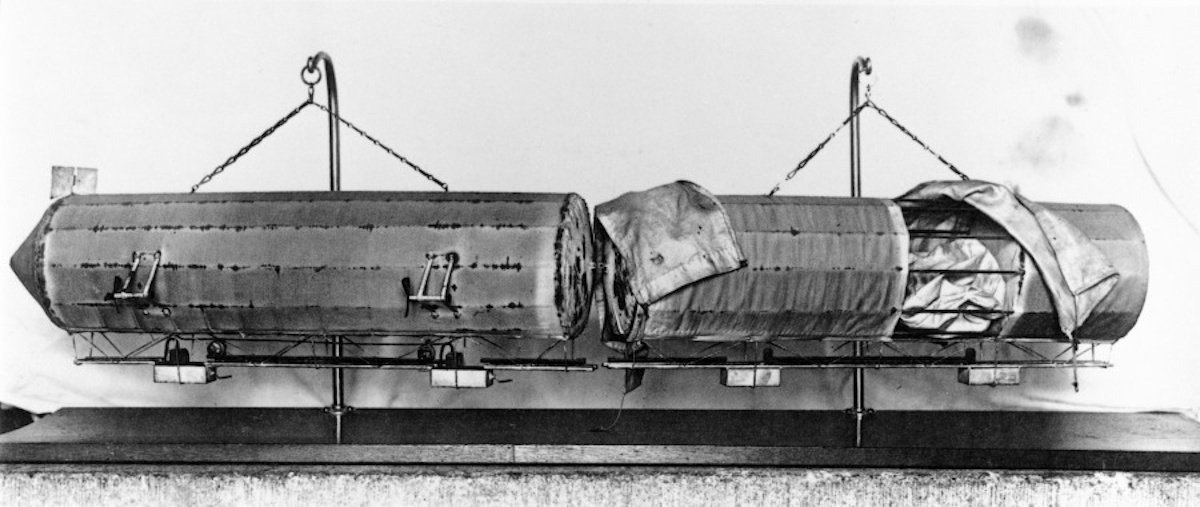
The Count's Airship Concept
In 1872, Count von Zeppelin made an entry in his journal where he described his concept for a fully-rigid airship.
For 27 years the Count pondered his concept, then finally in 1898, at the age of 60, he began transforming it into a working design.
The image on the right is a model of his initial airship concept: many refer to it as “the airship-train.”
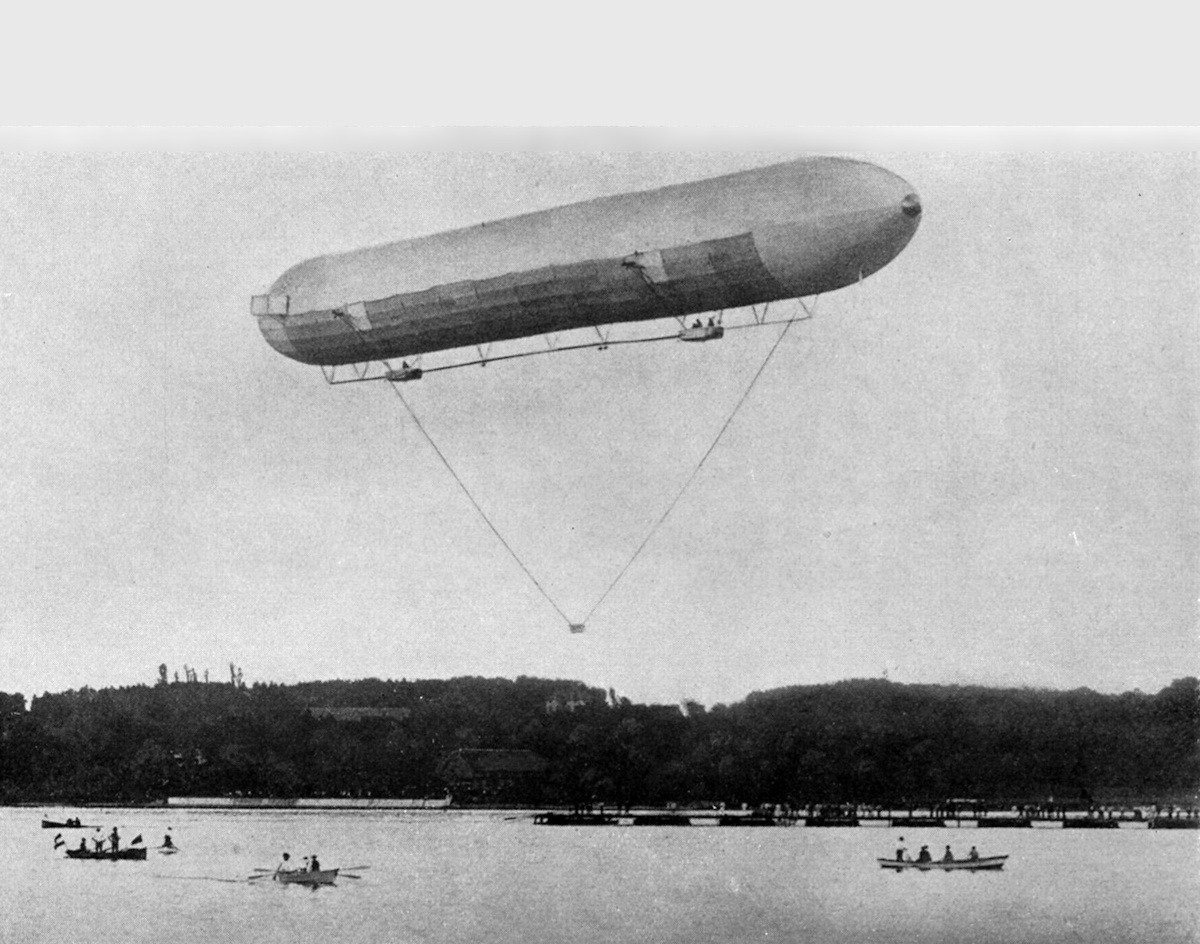
Luftschiff Zeppelin 1
The Count built and flew his first airship, Luftschiff Zeppelin 1 (LZ 1), in 1900.
From its beginning, LZ 1 was plagued with problems. The aluminum components used to build the airframe were of poor quality because aluminum structural materials were still in the development stage.
Additionally, because internal combustion engine technology was still in its infancy, the two engines used to power LZ 1 were unreliable, weighed 800 lbs. each, and only produced a meager 14 horsepower.
For these and many more reasons, the first airship was a failure, resulting in the Count declaring bankruptcy after just a few test flights.
It wasn’t until 1905 that he would build LZ 2.
It was during this early period of airship development that many in Germany, including family and friends, began referring to the Count as “the crazy old man on Lake Constance.”
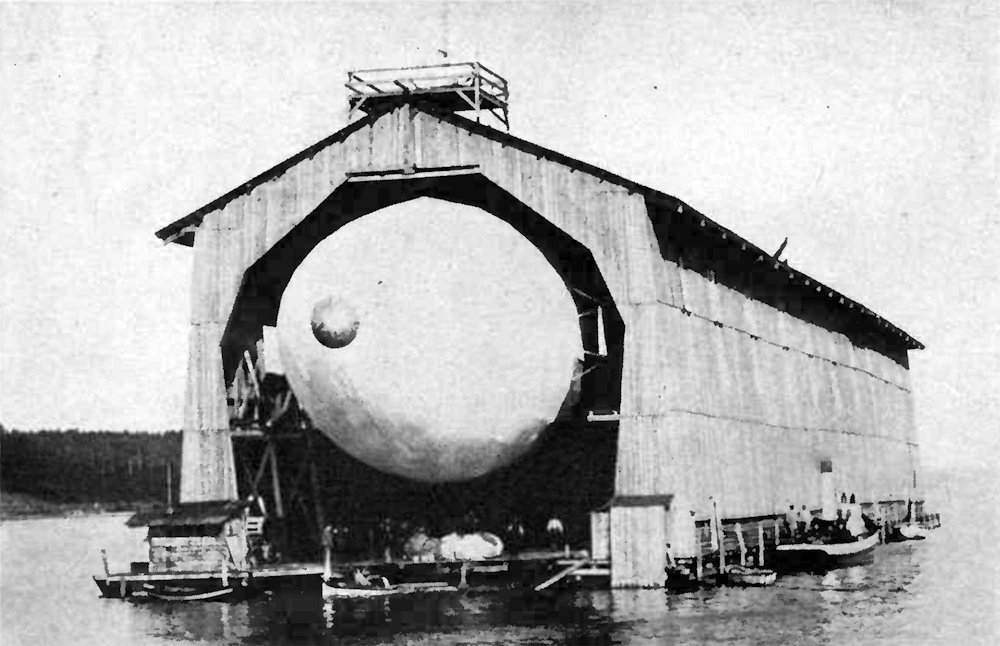
The Floating Shed
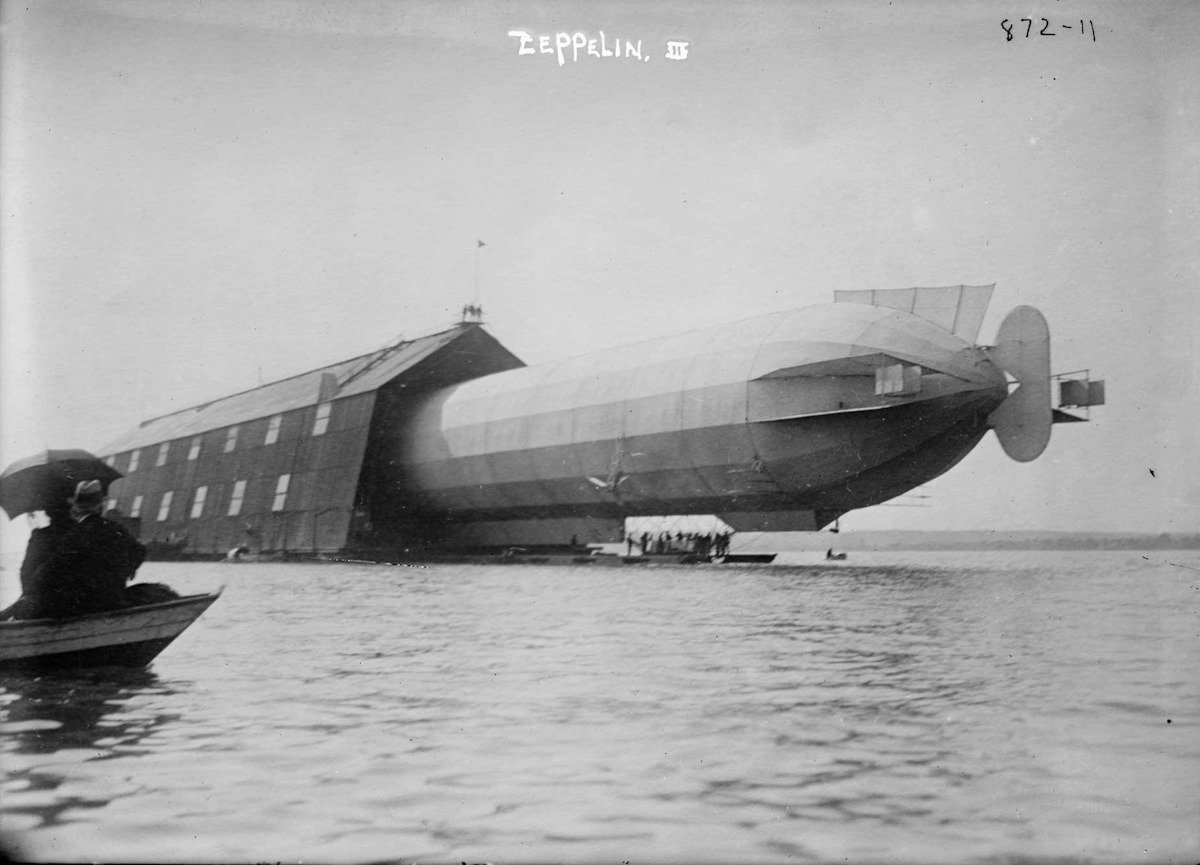
All the early Zeppelin airships were constructed in a wooden floating shed situated on Lake Bodensee.
The Count used a floating shed so that it could be aligned with the wind before launching or hangaring the airship.
This decreased the possibility of a crosswind causing the airship to collide with the shed’s entrance while entering or exiting the shed.
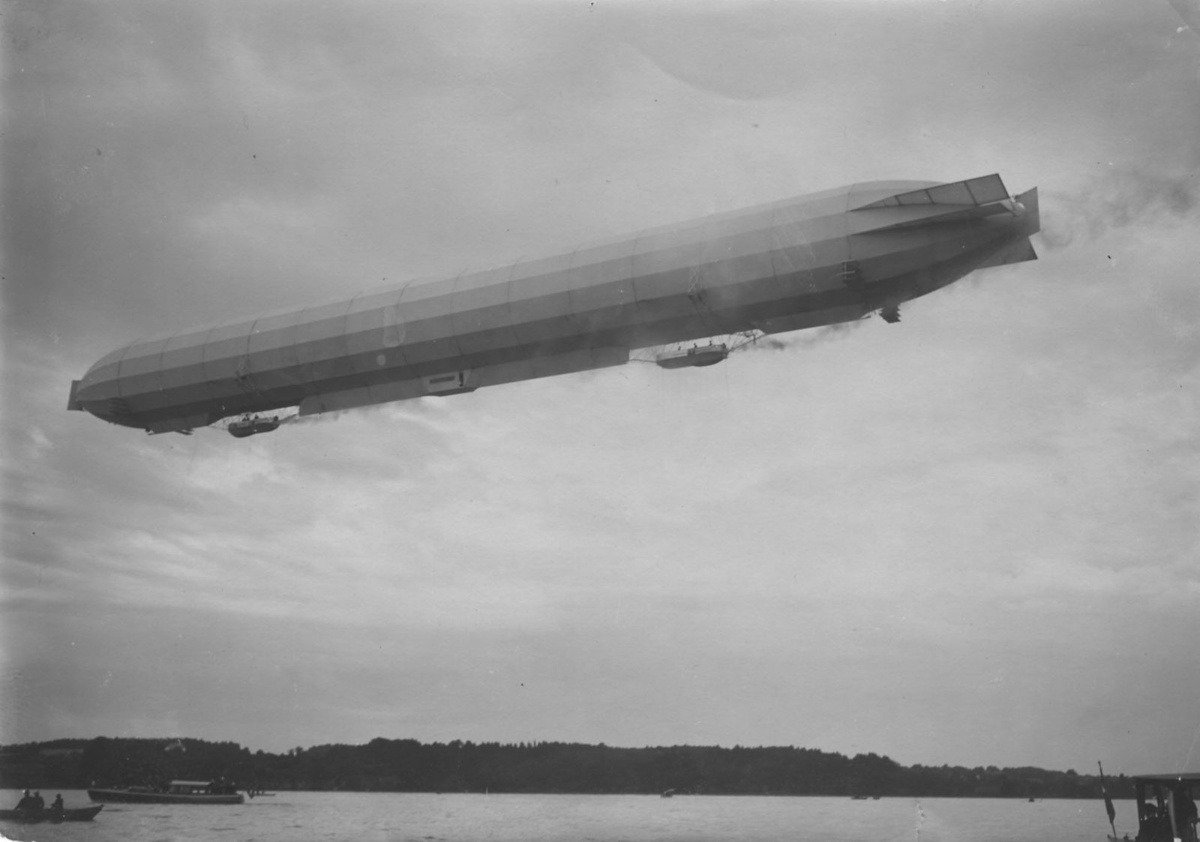
LZ 4
It wasn’t until 1908, after the Count built LZ 4 and began carrying passengers over the German countryside, that the German people realized the significance of the technology.
After making 5 successful flights over several months, including an endurance flight of 12 hours, on the morning of August 4, the Count departed on a 24-hour endurance flight, which upon completion would have landed him a lucrative contract with the German military.
Unfortunately, several hours into the flight, the airship developed engine problems, which forced them to make an emergency landing in an open field where repairs could be carried out.
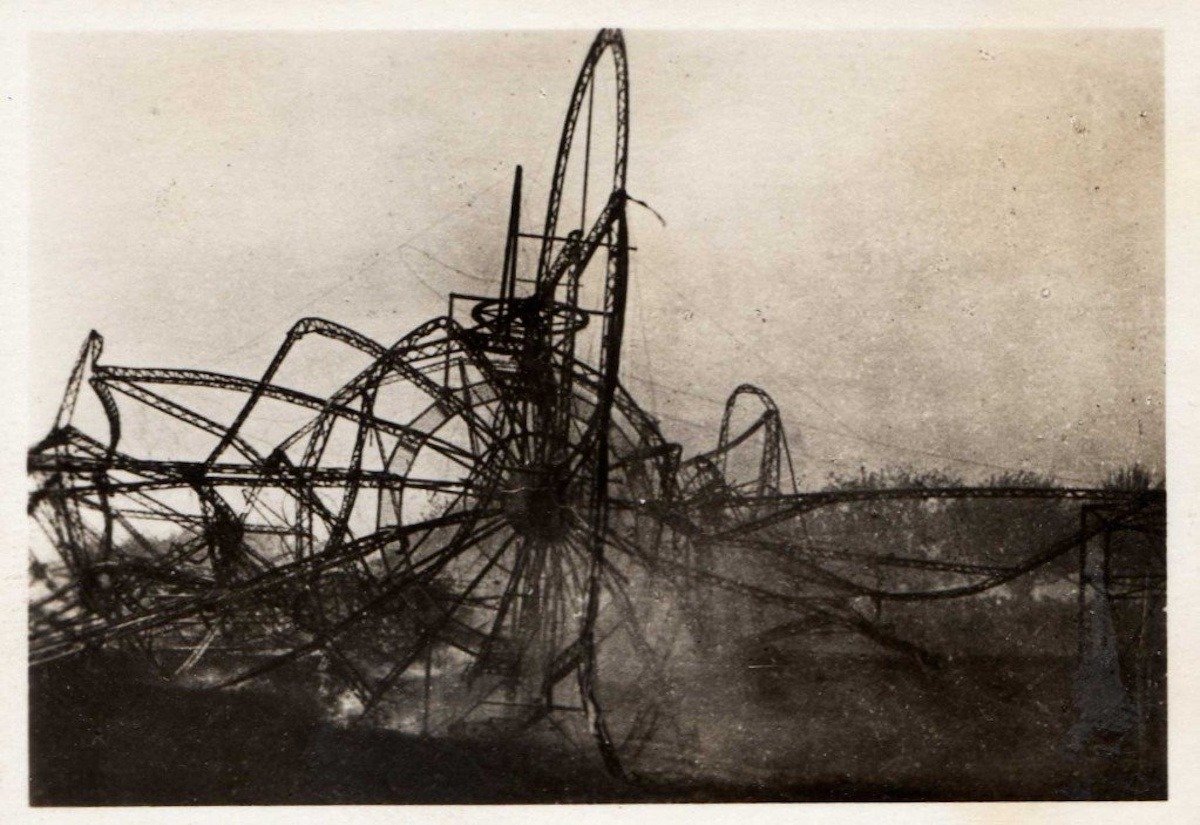
Fate Intervenes
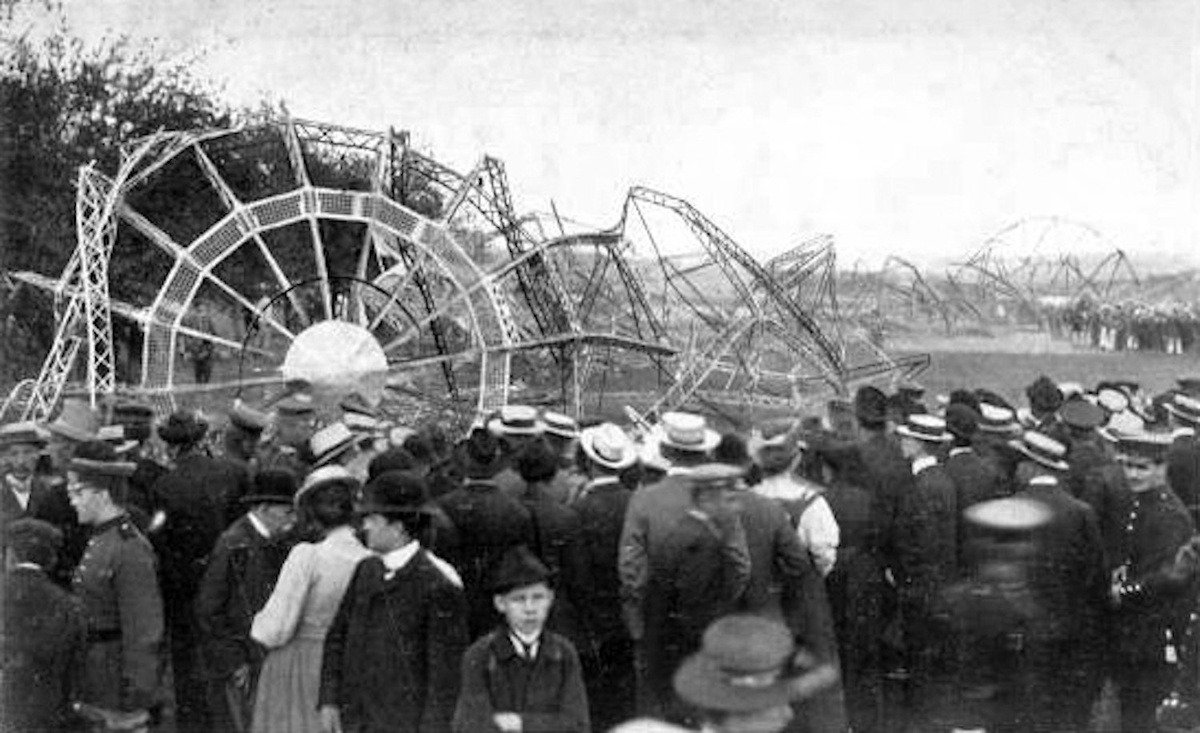
During the night, a storm developed, and LZ 4 was ripped from her temporary moorings and pushed into a nearby forest, where she caught fire and was destroyed.
This seemed the end, as the Count had exhausted all his resources building LZ 4, and now the airship was nothing more than a smoldering wreckage.
The Miracle
It was at this moment that something incredible took place.
The people of Germany, having been inspired by the Count’s perseverance and realizing the practical application of this new technology, began spontaneously donating to his cause.
In what would become known as the “Miracle at Echterdingen,” the German people contributed 6 million marks for the construction of a new airship, giving new life to the zeppelin enterprise.
In only a few days, the Count had enough capital to not only build a replacement airship, LZ 5, but also to rebuild LZ 4 and, in addition, establish a new company with resources to spare.
Luftschiffbau Zeppelin
The fervent financial and political support of the German public following the destruction of LZ 4 at Echterdingen allowed the Count to establish Luftschiffbau Zeppelin (Zeppelin Construction Company) in September 1908.
He eventually built a new floating shed as well.
In addition, in 1909 journalist Hugo Eckener, who had previously been a staunch critic of the Zeppelin enterprise, joined the company as their director of public relations. Within 2 years, Eckener would become an airship commander and eventually go on to be one of history’s greatest airship captains, commanding the Graf Zeppelin on her around-the-world expedition in 1928.
The New Airship Era
A new era had begun.
For the next 32 years, the German Zeppelin Company would perfect both their design and operational expertise and go on to build 140 airships in all.
Because helium was only available in the US in those days, all German Zeppelins would employ hydrogen as their lift gas.
World War I
In 1914, World War I broke out, eventually engulfing 25 countries.
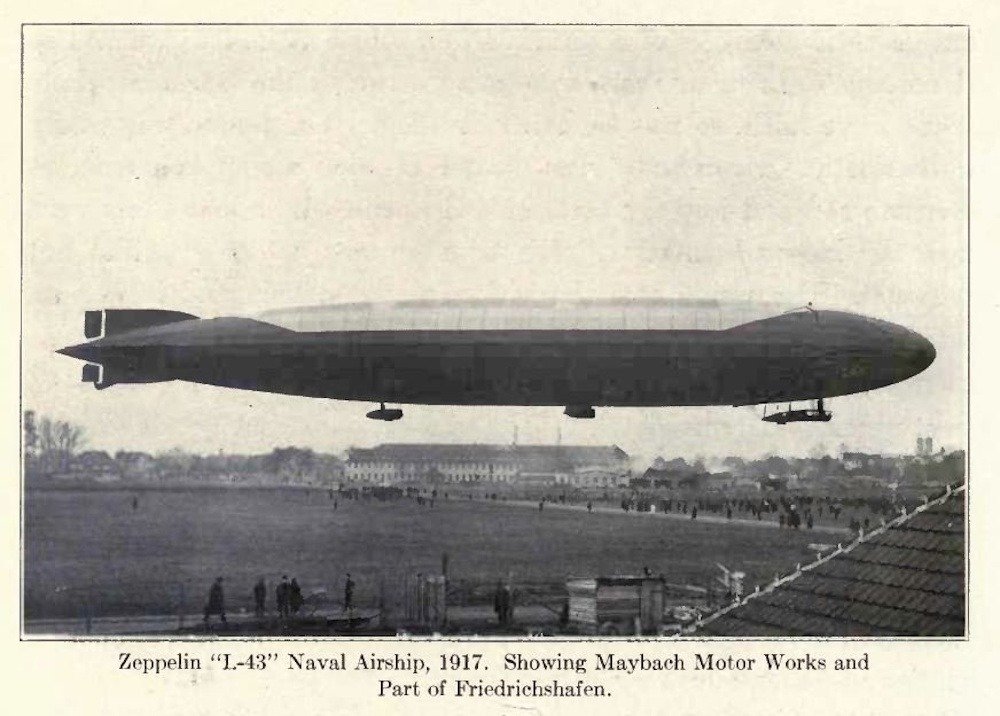
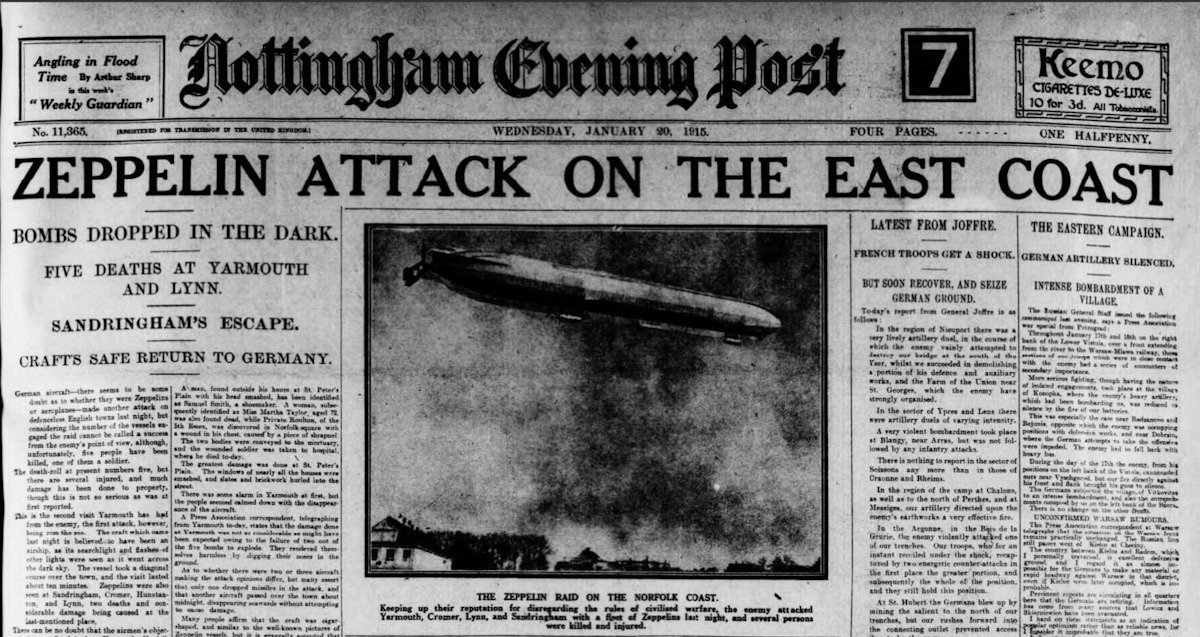
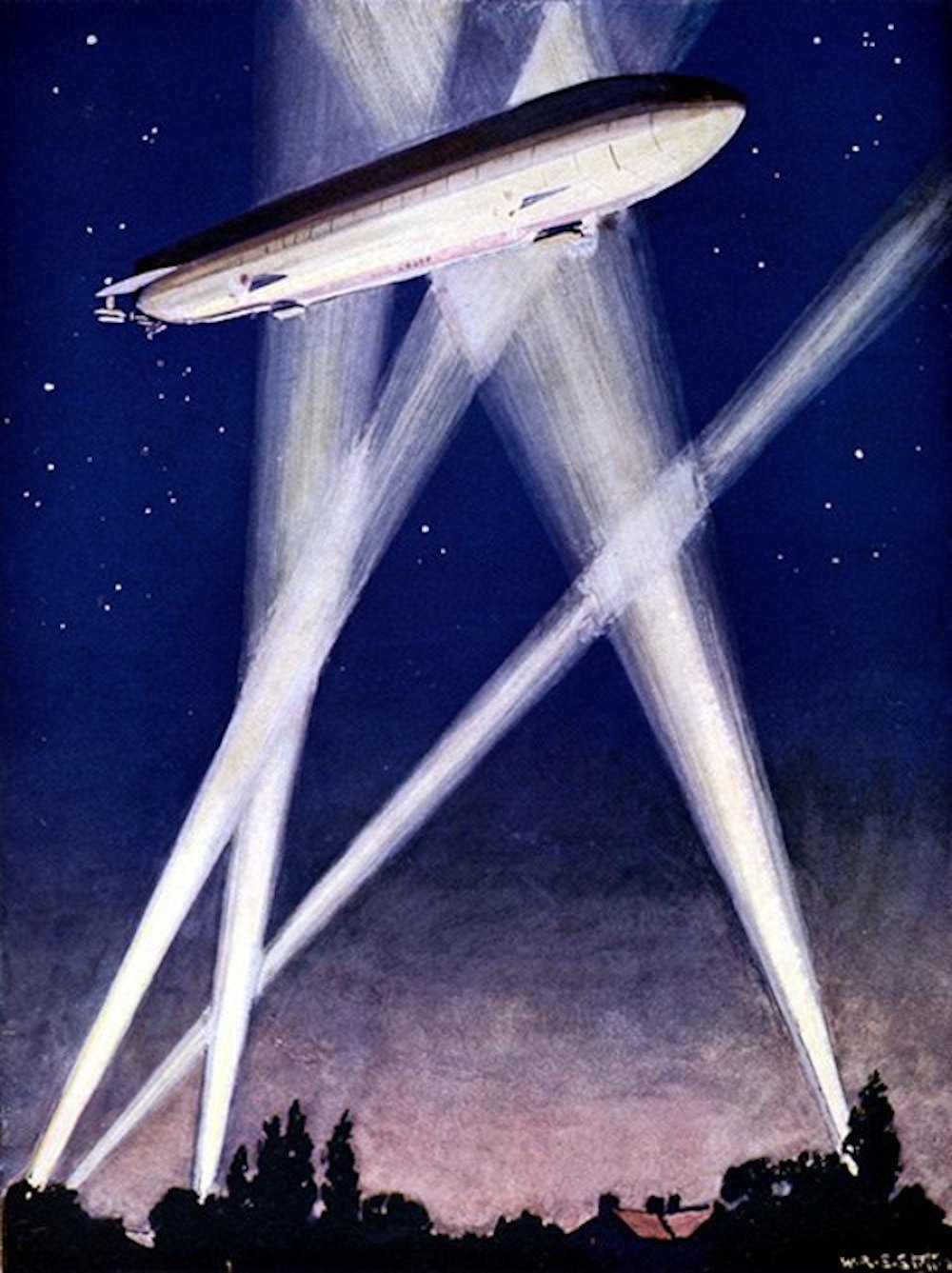
During this period, the German government contracted the German Zeppelin Company to build airships for both the German Army and its Navy. In all, 80 airships were built and flown in sorties over England and her allies. This would be the first time in history that a human population was bombed from the air by an aircraft. These specialized airships were referred to as “Height Climbers’ because of their high-altitude capability.
They reached altitudes greater than 24,000 feet and flew great distances in all types of weather, both day and night. It was during this desperate time that the Germans perfected their design, manufacturing, and flying expertise.
L 59 The Africa Ship
During WWI a bold mission was planned to resupply General von Lettow-Vorbeck and his defending troops, who were cut off from the German East Africa coast by a blockade.
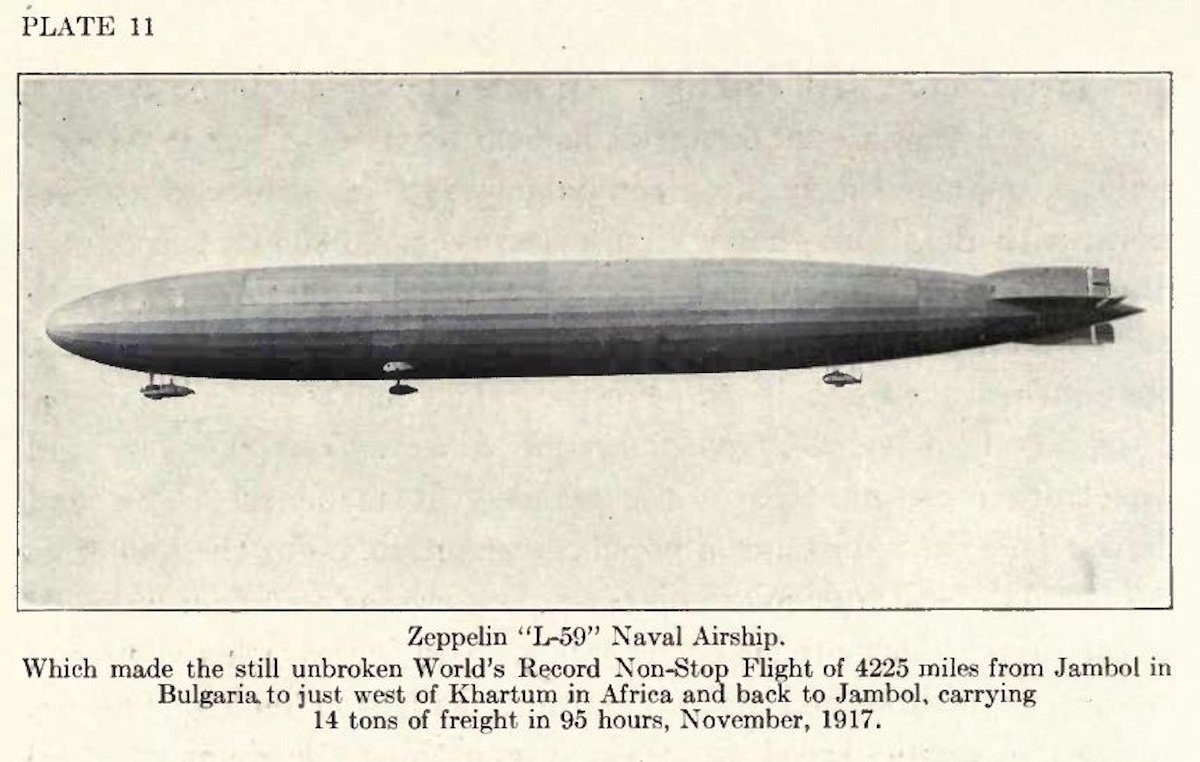
On the morning of November 21, 1917, L 59 took off from Jambol (Yambol), Bulgaria, headed to German East Africa.
Including a crew of 22, they were loaded with 9 tons of ammunition, 4 tons of medical supplies, and 21 tons of fuel.
Her roundtrip flight took 95 hours and covered 4,225 miles.
This record still stands as the longest nonstop flight in an airship.
"The Baby Killers"

English Munitions
L46 encounters intense anti-aircraft fire.

A Direct Hit
L13 takes a direct hit from an incendiary shell.
The Golden Age
After the end of WWI, all remaining Zeppelin airships were distributed among the Allied countries as part of Germany’s war reparations.
During this period, the German Zeppelin Company, using the experience it had acquired during the war, focused on improving its airship design and went on to build larger, more capable airships.
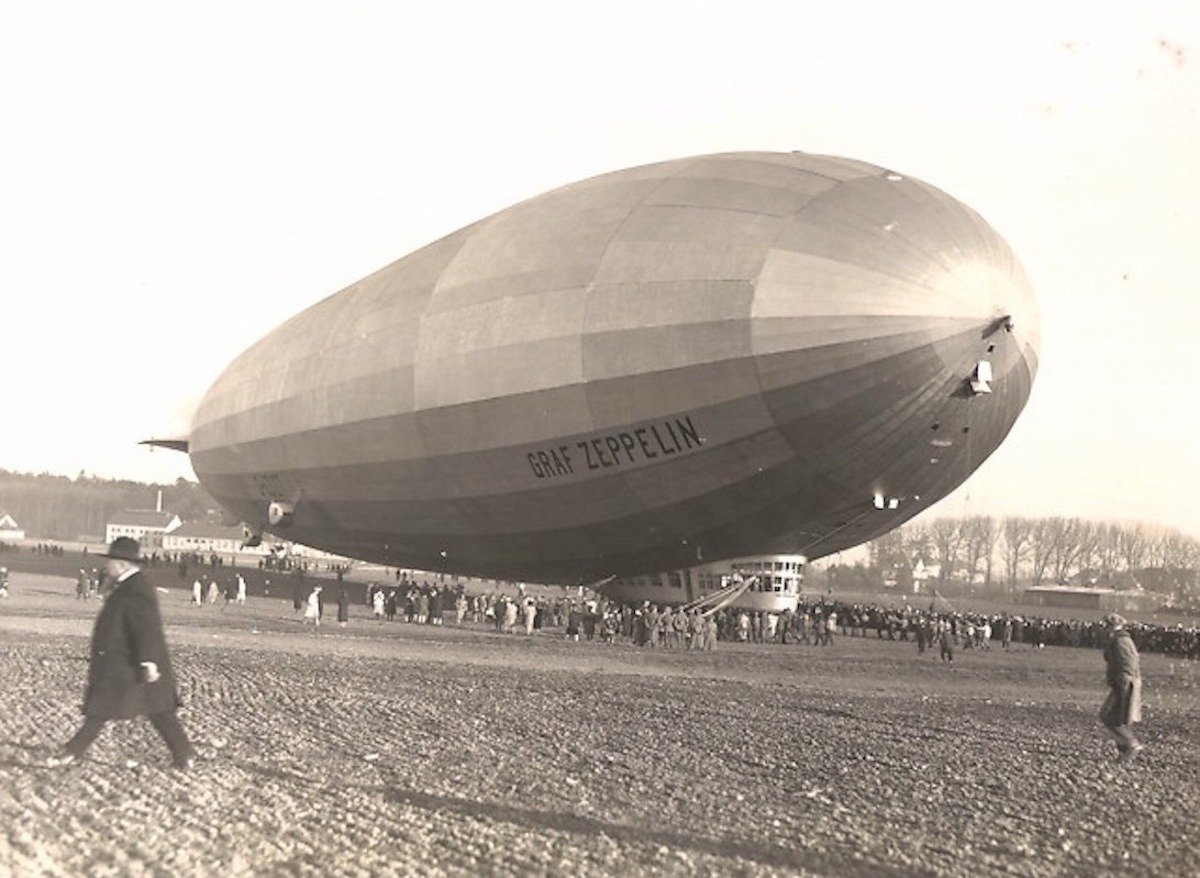
These new airships carried the first passengers and cargo by air across continents, oceans, and eventually around the world—20 years ahead of the airplane.
Because of their inherent efficiency advantages, they easily outperformed all other transportation technologies of their day.
This era became known as “The Golden Age of Airships.”
The Most Successful Airship
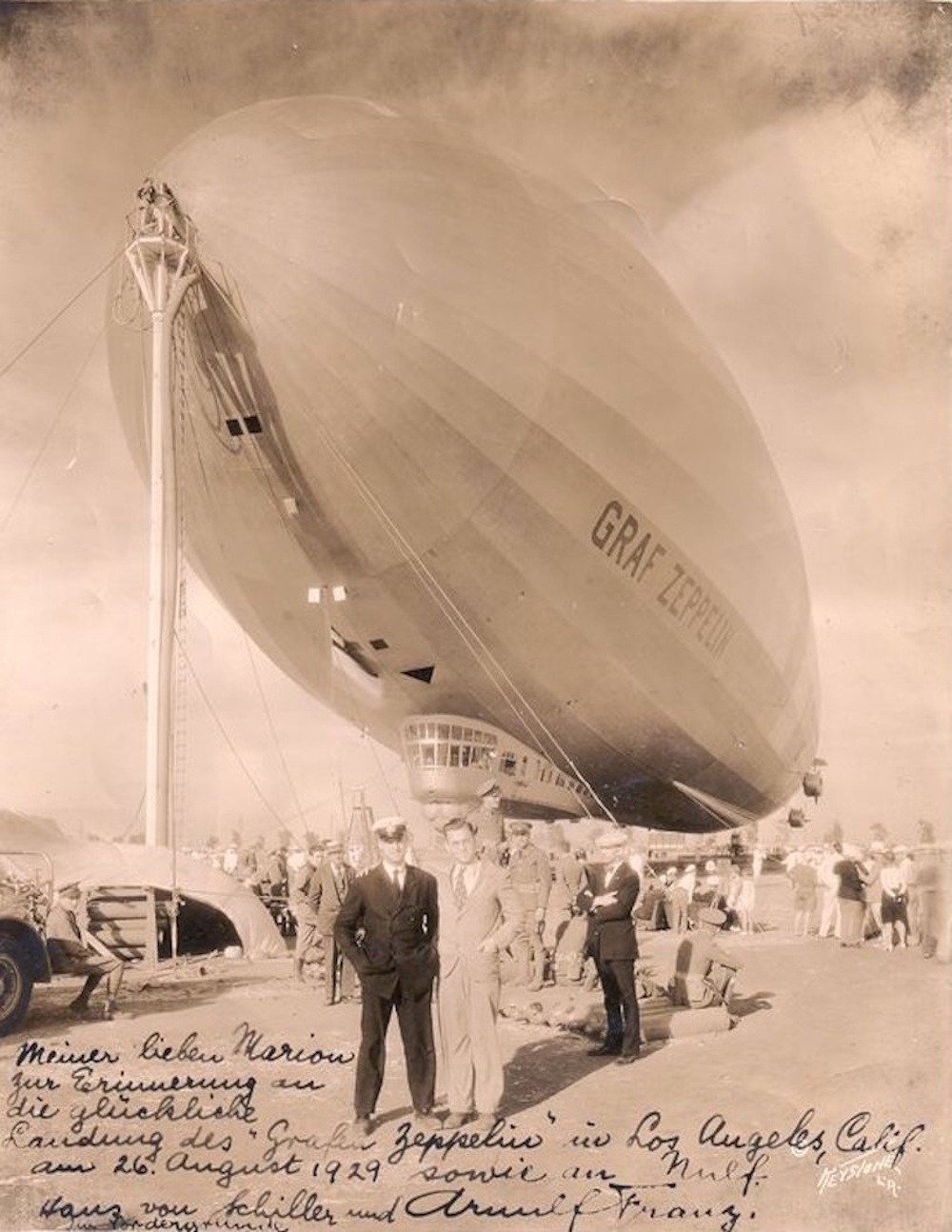
The image on the left is a postcard sent by passenger Arnulf Franz to his friends and family back in Germany.
It commemorated the Graf Zeppelin’s safe landing in Los Angeles, California, on August 26, 1929, during the completion of its around-the-world expedition.
This was a historic event in that it was the first time that human beings would circumnavigate the earth by air.
The expedition included 60 men and 1 woman and lasted 21 days, covering 21,500 miles in an airship constructed of aluminum and covered by cotton, equipped with 1920s diesel engines with wooden propellers, using dead reckoning and incomplete maps for navigation, and virtually no weather prediction capabilities.
Because of this feat and many more during her 9 years of service, the Graf Zeppelin is still considered the most successful airship ever constructed.
Graf Zeppelin Polar Flight
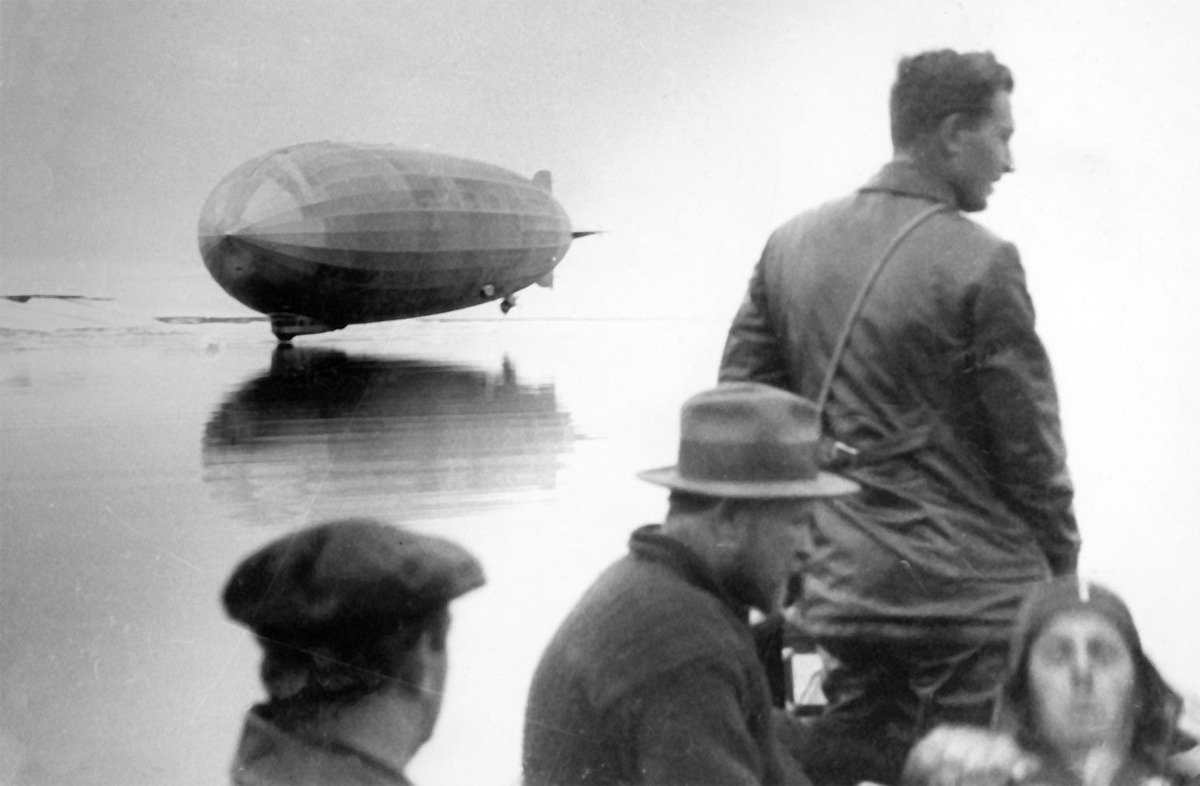
In July 1931, the Graf Zeppelin departed from Germany on a three-day Arctic flight.
She carried a team of scientists from Germany, the United States, the Soviet Union, and Sweden, along with scientific equipment whose size, weight, and stability requirements excluded their use on airplanes of that day.
The flight covered 8,271 miles in 136 flying hours and resulted in a remapping of the Arctic region.
Upon returning to Berlin, the Graf and her crew received a hero’s welcome at Tempelhof airfield.
The Hindenburg
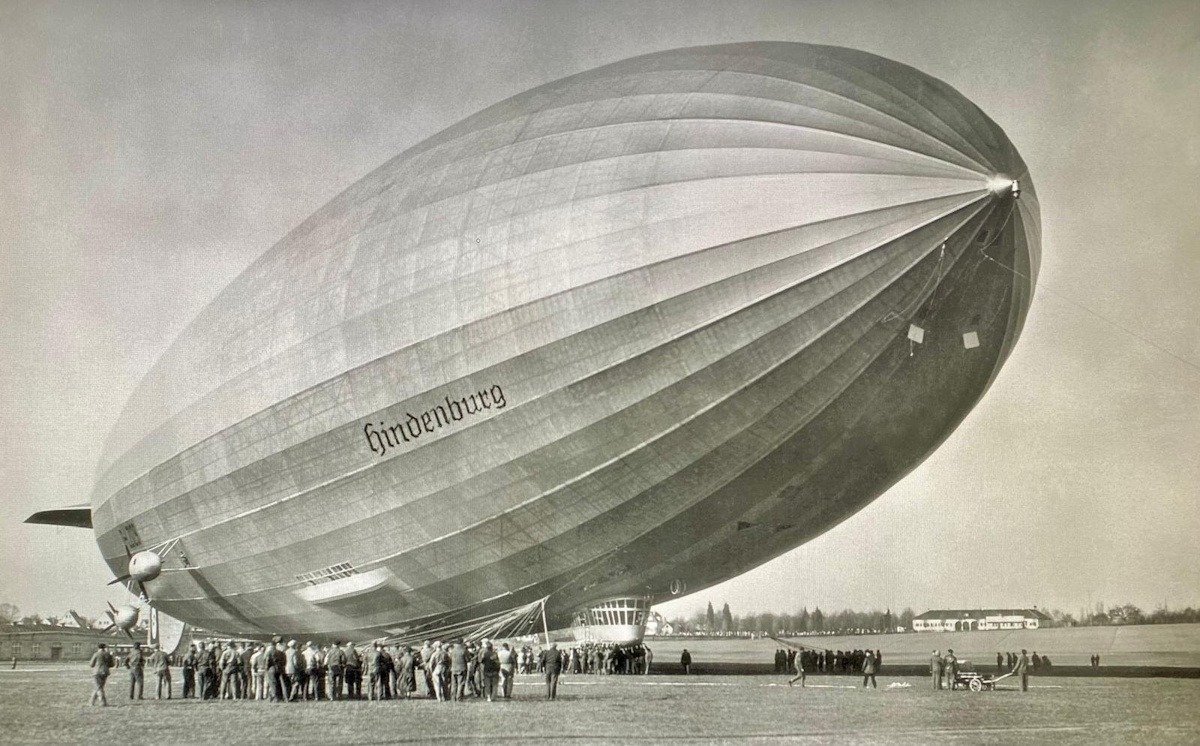
Placed in service on March 4, 1936, the Hindenburg was designed for passenger comfort; with its size, luxurious accommodations, and range capabilities, it would have easily surpassed the Graf Zeppelin in service and accomplishments.
Ironically, it was originally designed for helium, but the US government decided not to release the lift gas to Germany due to Adolf Hitler’s invasion of Poland.
As a result, she was inflated with hydrogen like all the Zeppelins before her.
Rise of the Nazi Party
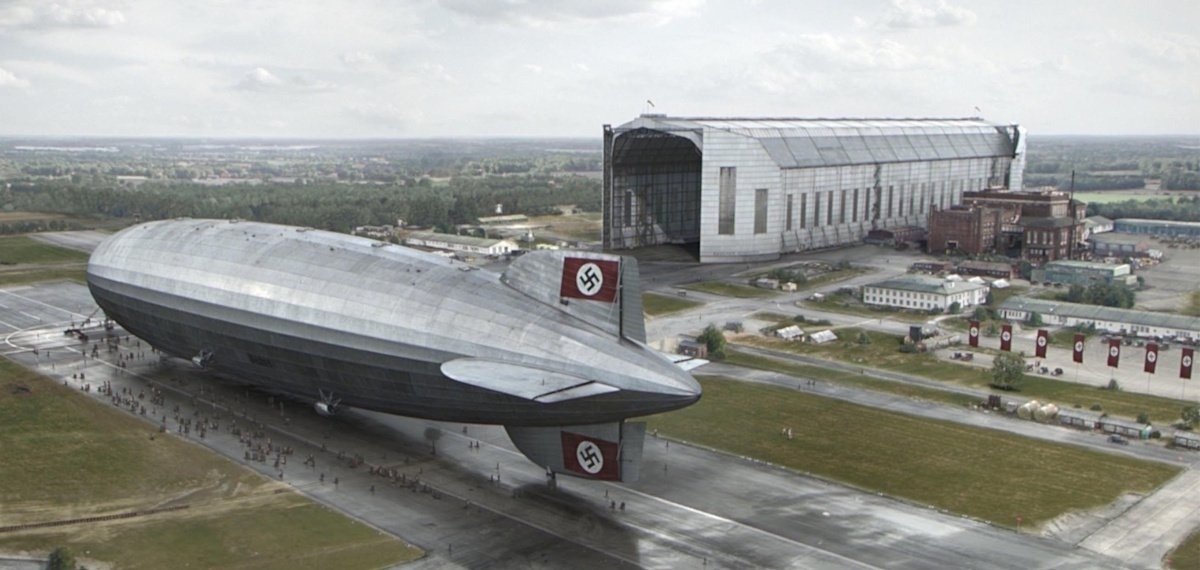
The 1930s saw the rise of the Nazi party.
It was during this tumultuous political period that the German Zeppelin Company received multiple threats against both the Hindenburg and her predecessor, the Graf Zeppelin.
These threats were brought on in part because both airships were being used by the Nazi party for propaganda flights, in which leaflets were dropped, and party messages played from loudspeakers.
The Hindenburg Fire
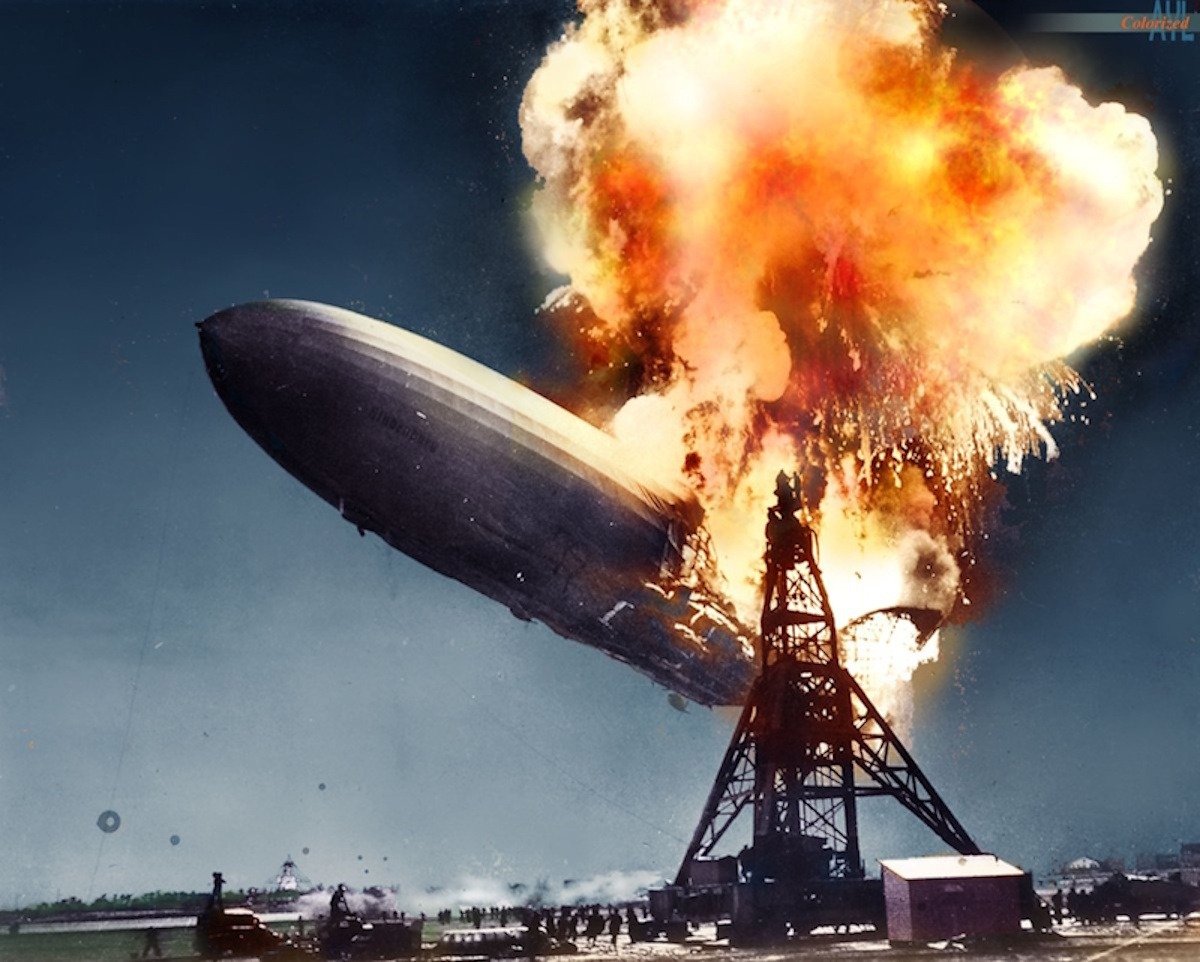
On May 6, 1937, as she was preparing to dock at Lakehurst, NJ, the Hindenburg unexpectedly burst into flames and fell to the ground, killing 35 of her 96 passengers and crew.
The disaster became one of the world’s most televised events.
Interestingly, there were 4 previous airship disasters that claimed more lives but received far less media coverage than the Hindenburg fire.
Based on lives lost, the title of the greatest airship disaster in history goes to the US Navy’s Akron airship.
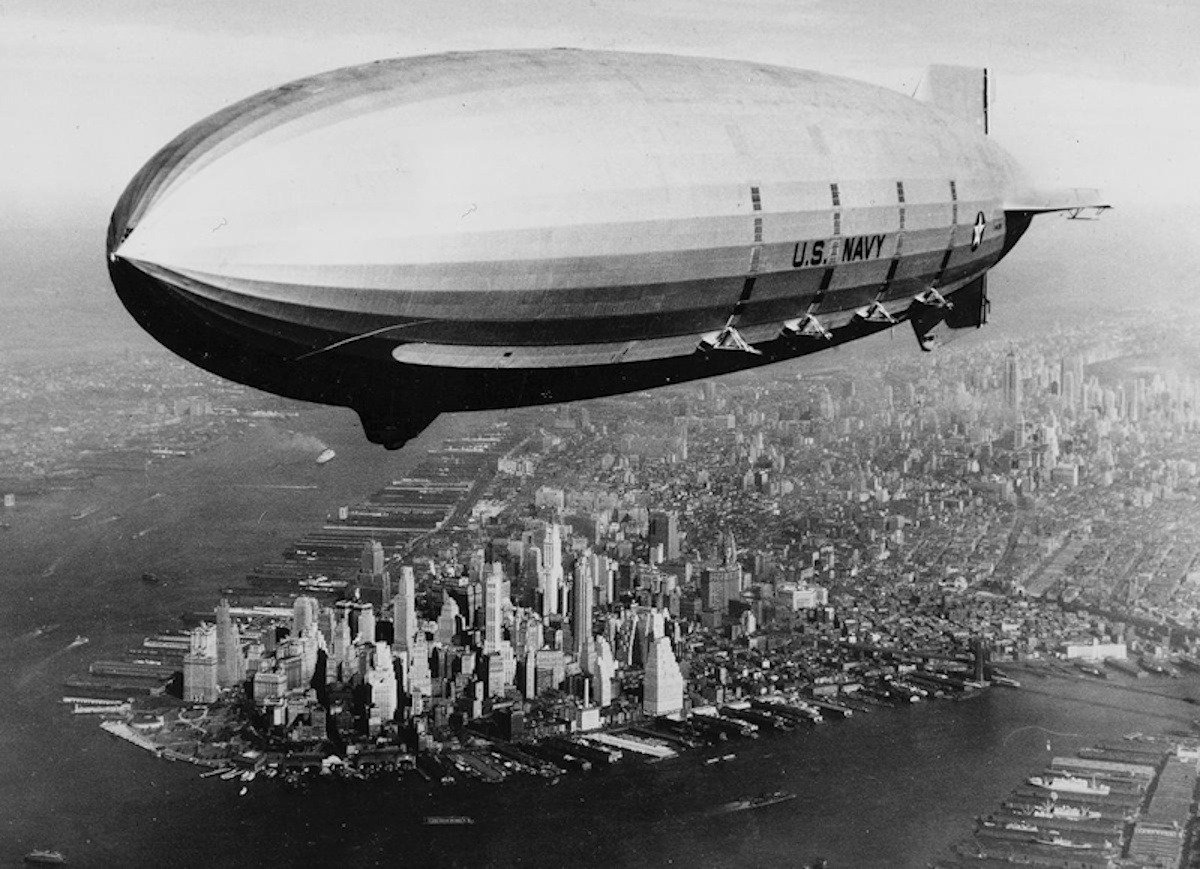
US Navy's Akron Airship
The Akron was a helium-filled airship approximately the same size and volume as the Hindenburg.
It was built by the US Navy in 1931 at a cost of $3.5 million and was designed to be used as a floating aircraft carrier.
The German design team that was responsible for her construction was brought to the US as part of a collaboration between the Goodyear Tire and Rubber Company and the German Zeppelin Company.
For more information on the US Naval airships Akron and Macon, see our video presentation “Understanding the Demise of the Akron and Macon” on the “Pitch Deck” page of our website.
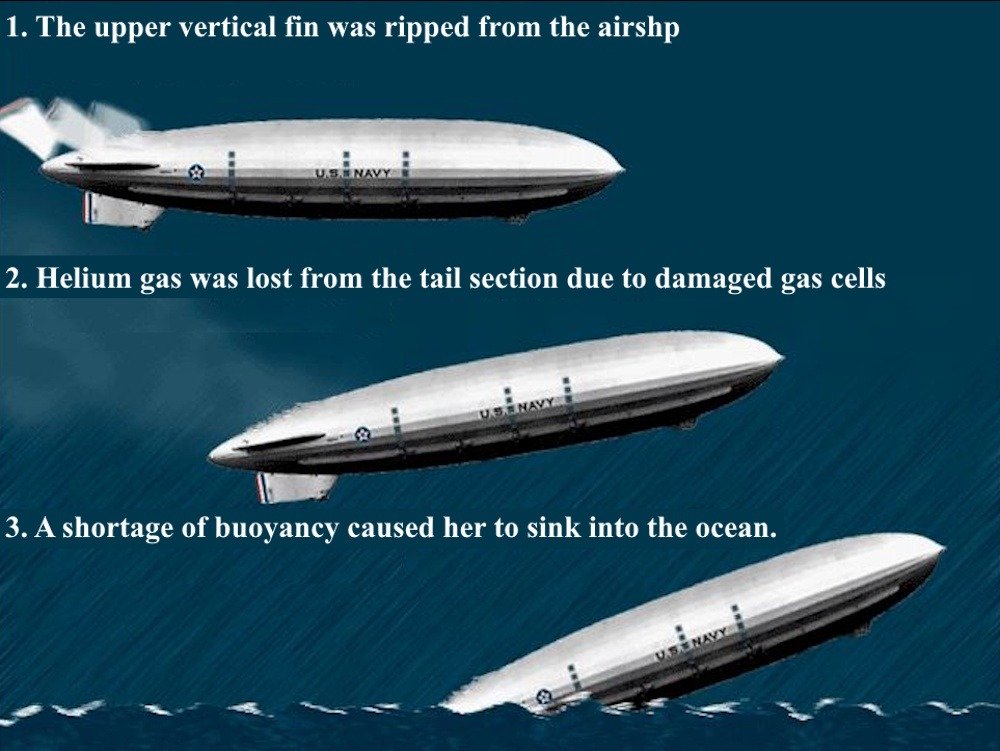
The Crash of the Akron
Unfortunately, the Akron’s chief design engineer decided to deviate from proven Zeppelin methods by making no less than 10 significant design changes.
One of these design changes resulted in a weakened tail section, which, on the morning of April 3, 1933, was responsible for her demise.
While passing through a moderate thunderstorm, her top vertical fin was ripped away, damaging the gas cells in the tail section of the airship and causing her to crash into the icy waters of the Atlantic.
Sadly, 73 of her 76 crewmen would perish before they could be rescued due to exposure to the freezing waters.
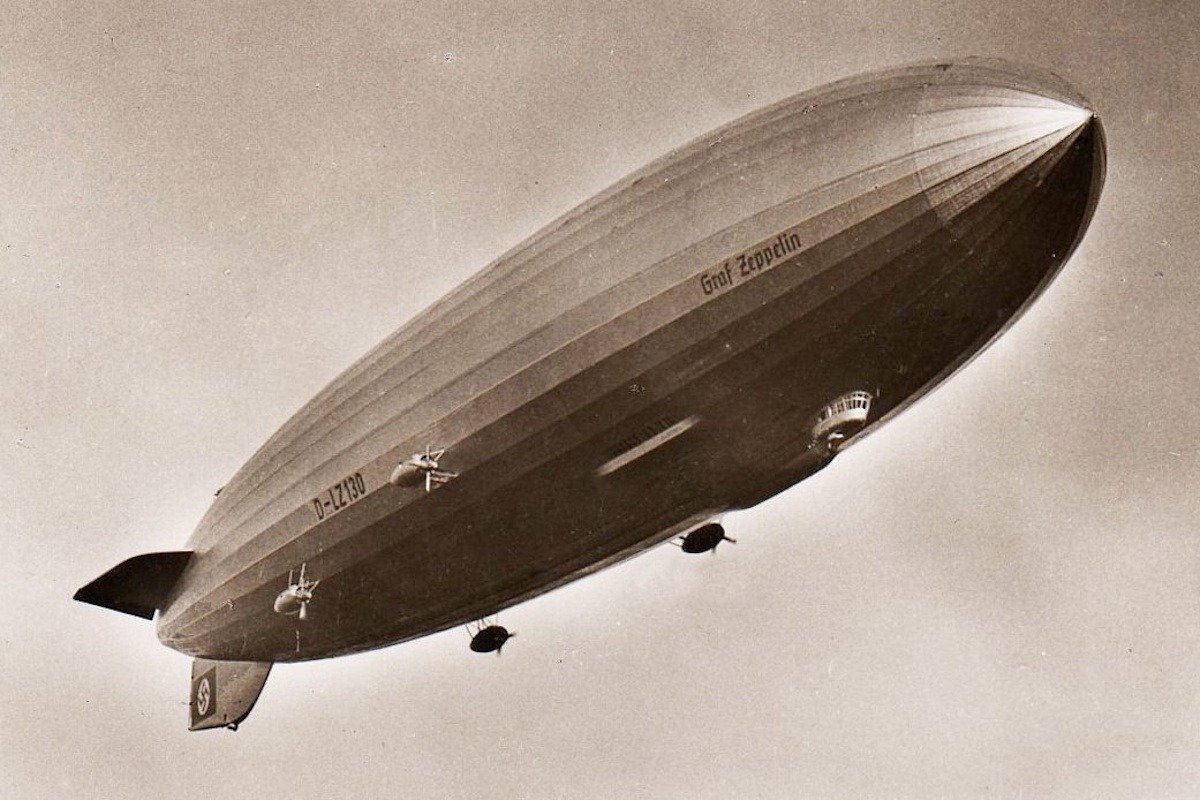
Graf Zeppelin II
In 1939, during the outset of WWII, the Graf Zeppelin II, sister ship to the Hindenburg, was completed.
With the exception of a few design enhancements, she was identical in size and capability to the Hindenburg.
During her short service, she was used for spy missions along the coast of Great Britain in hopes of cracking England’s early radar system.
Because of the Hindenburg fire and the inability to obtain helium, the Nazi Party would not permit the Graf Zeppelin II to carry passengers.
In 1940, the Nazi party cancelled the Zeppelin airship program, dismantled all remaining airships and airship hangars, and recycled their materials for the war effort.

End of WWII
At the end of WWII, Germany and her economy lay in ruins, with more than 15 of her largest cities, including Friedrichshafen, home of the Zeppelins, being completely decimated by the many Allied bombing campaigns.
It took Germany several decades to recover.
Interestingly, it was not until 2010 that Germany made her last reparations payment for the First World War.
Many of the companies that were started during the Zeppelin era are still in operation today, including the German Zeppelin Company.
LTA Today
While working on this project over the last several years, it has become apparent that many Americans are reluctant to embrace LTA despite its rich history, inherent efficiency advantages, capabilities, and market application.
Even those considered enthusiasts seemingly have no ambition in reviving the technology but instead are content with only reminiscing, sharing pictures, and rehashing its history on social media platforms.
There are several primary reasons for this anomaly.
Firstly, it’s been nearly 90 years since the Hindenburg fire, and virtually all witnesses of that era are deceased—no one remembers what it was like to travel on an airship.
Secondly, America has never had a successful airship program, having failed in the 1930s due to lack of experience and poor design.
Thirdly, there have been numerous failed airship programs since the Hindenburg fire in 1937.
And lastly, the absence of a logical, cost-effective plan with a clear market vision has left many enthusiasts openly skeptical about the revival of LTA.
The Germans, on the other hand, have a completely different attitude.
During a recent trip to Friedrichshafen, Germany, it was refreshing to discover that the Germans still embrace LTA, in part because they are reminded of the technology’s potential each time they see a Zeppelin NT fly over their countryside.
Additionally, there are several museums in Germany today that are dedicated to the German Zeppelin airship program and honor Count von Zeppelin’s work.
> Zeppelin Museum in Meersburg, GA
> Zeppelin Museum in Friedrichshafen, GA
Besides receiving visitors from around the world, these museums also attract Germans of all ages, in part because Germany still strives to instill a sense of pride in its citizens regarding this amazing technology.
And although there were attempts by 5 other countries, the German Zeppelin program remains the only successful airship program in history.
Many today mistakenly refer to blimps and prototypes as airships, but these aircraft are not a part of this elite class.
Simply put, it’s not an airship if it doesn’t have the capacity to successfully carry passengers and cargo thousands of miles day or night in all types of weather.
This logic is borne out by the shipping industry, where they differentiate between boats, yachts, and ships based on capability.
In my opinion, the misclassification is due to our disposition of lowered expectations for LTA.
Highlighting the ingenuity of the German Zeppelin program of the early 1900s is the reality that, despite our obvious technological advantage and 10 failed airship programs over the last 90 years with more than $2 billion in capital invested, we still have not been able to produce a single capable airship today.
In contrast, the Germans, over a 40-year period and on a much smaller budget, developed and perfected their design, built 140 airships, used 80 of them to bomb England and her allies in WWI, flew in all types of weather, set altitude and distance records for the airship industry that still stand today, and transported the first passengers and cargo by air across continents, oceans, and around the world—20 years ahead of the aeroplane.
They accomplished these extraordinary feats using hydrogen-filled airships constructed of inferior materials, powered by 1900s diesel engines equipped with wooden propellers, dead reckoning for navigation, incomplete maps, and virtually no weather prediction capabilities.
Imagine the possibilities if their best design were modernized using today’s build materials, advanced 3D design, and contemporary manufacturing, resulting in a stronger, lighter, more capable airship.
At Voyager Global, we have a different philosophy from our predecessors in that we are reviving, not reinventing, the technology.
For more information on LTA’s rich history and how it can be used today, see our video presentations on the “Pitch Deck” page of this website.