In 1929, the Graf Zeppelin embarked on its audacious around-the-world expedition where, for the first time in history, man was transported by air around the world.
The epic journey took 21 days and included 60 men and 1 woman.
They visited places never seen by man using dead reckoning, incomplete maps, and limited weather prediction capabilities in a hydrogen-filled airship constructed of aluminum and cotton fabric equipped with 1920s diesel engines and wooden propellers.
Owing to its 9 years of service and numerous accomplishments, the Graf is still considered the most successful airship ever built.
The Hindenburg Movie - 1975
A 1975 film classic, “The Hindenburg” is as historically accurate as you can get to what it was like to travel aboard the world’s greatest airship.
A full-scale mockup of the Hindenburg’s passenger quarters, which can still be toured at the Zeppelin Museum in Friedrichshafen, Germany, was used in the movie.
In the movie, the many benefits of airship travel, such as the freedom to move about while in flight, no claustrophobia, air or motion sickness, spacious accommodations, upscale dining, and the best aerial views of the world from the promenade decks, are revealed by the passenger’s experiences.
Howard Hughes - "Hell's Angels"
In 1930, the eccentric billionaire Howard Hughes directed and produced a black and white epic that became one of the world’s first “talkies.” The two-hour film, set in World War I, cost nearly $4 million and employed 100 pilots and 87 aircraft, which were used in shooting the many aerial dogfights.
Jean Harlow made her debut in the movie and went on to become a Hollywood icon.
During one of the dogfights, a German Zeppelin is attacked by multiple aircraft who, despite exhausting their ammunition, fail to shoot down the airship. In the end, one of the pilots, desperate to destroy the Zeppelin, sacrifices himself and his aircraft by crashing into the airship. The scene exemplifies the resiliency of the German Zeppelin design, as this was a common spectacle that played out in the skies over Europe while Germany carried out multiple aerial bombing campaigns against England and her allies during World War I.
Airships - beginning to Graf Zeppelin
This documentary by the Film Finance Corporation of Australia covers the rigid airship from its beginning to the epic around-the-world trip of the Graf Zeppelin.
Flights of the Graf Zeppelin
Many of the historical flights of the world's most successful airship.
ZMC 2 - The alcald airship
A short documentary on the test flight of the ZMC2.
The History of the Rigid Airship
This Periscope Film documentary from the late 1930's, covers the beginnings of the rigid airship, her design and future potential.
Zeppelin Terror Attack
This Nova documentary covers a period in history known to few people, the era when great airships brought terror to human populations and were feared to be invincible.
The Akron Airship Fin Accident
A foretelling incident caught on film exposes the weakness in the Akron's tail design, which would ultimately lead to her demise.
Contemporary Prototypes
Aeroscraft
The History Channel's full length documentary on the design, build, and test flight of Aeroscraft's Dragon Dream.
Navy's Interest in Airships
General Fraser of the US Navy testifies before congressional committee concerning the Navy's interest in Lighter-then-Air technology and the hybrid airship design.
Aeroscraft Dragon Dream
Specs and additional information.
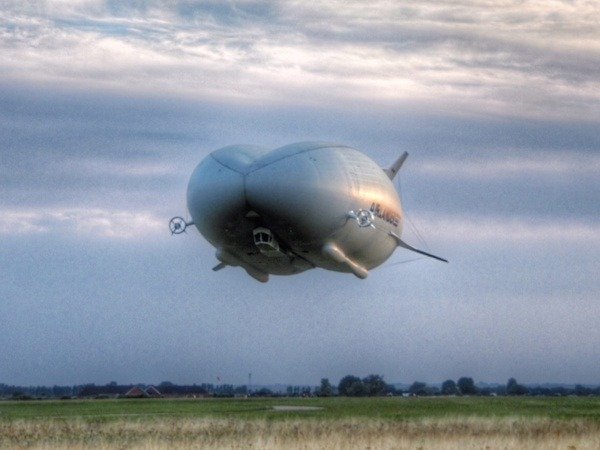
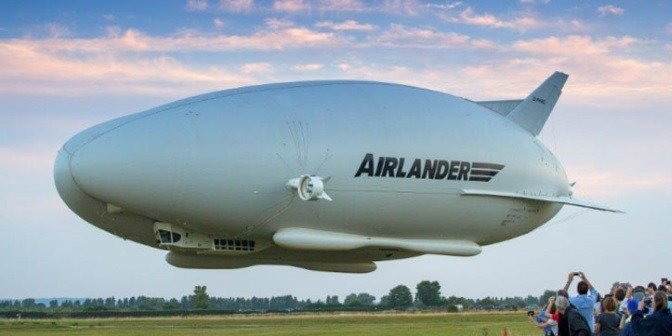
Airlander 10
BBC documentary on Airlander's first flight.
Airlander 10 Retired
A news brief on HAV's decision to retire the Airlander hybrid design.
Airlander 10
Specs and additional information.
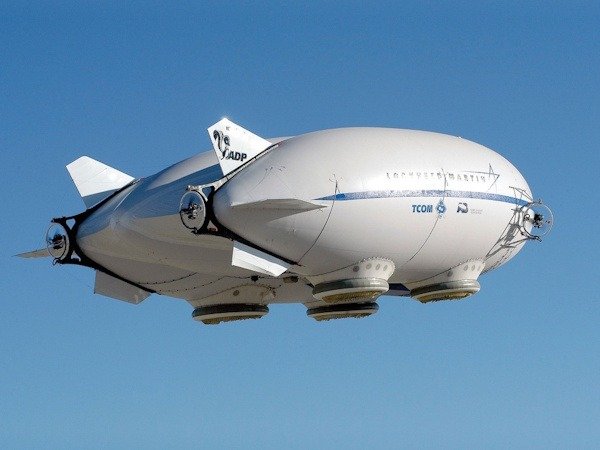
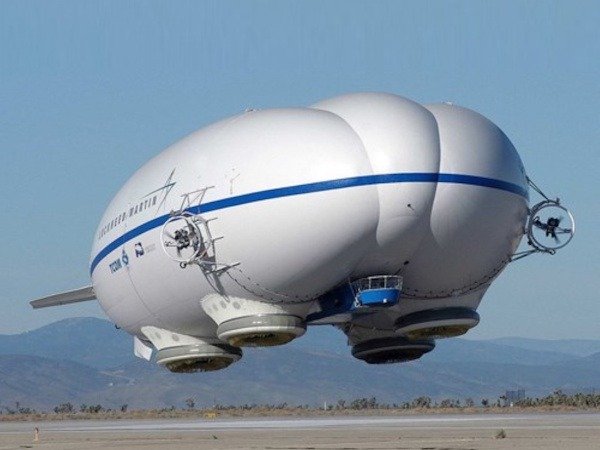
Lockheed Martin's P791
An introduction to Lockheed Martin's P791 hybrid design.